
The Phoenix of the Skies: Why the A380's Comeback is a Golden Opportunity for Savvy Investors (and Travellers!)
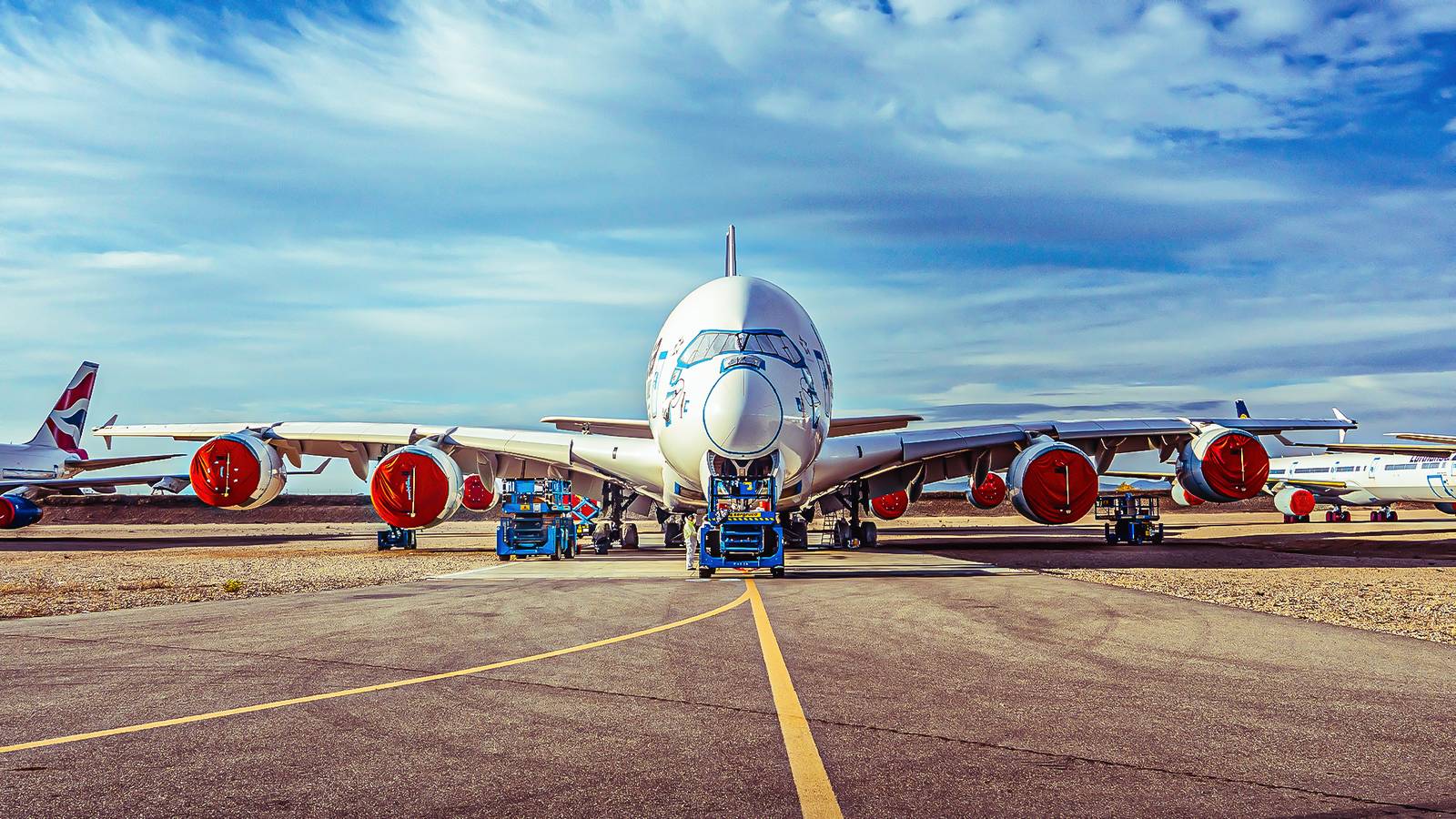
Remember the Airbus A380? The double-decker behemoth, a symbol of luxury and a marvel of engineering, that many declared a relic of a bygone era? Well, hold onto your boarding passes, because this aviation titan is making a spectacular comeback, and it’s not just good news for airlines – it’s a fascinating case study for investors and a potential game-changer for your travel plans. Forget the doom and gloom; the A380, once relegated to desert storage, is poised to become one of the most valuable assets in the aviation industry by 2026. And for those of us in Great Britain, this resurgence offers some compelling insights.
From Desert Dust to Diamond in the Rough: The A380's Unexpected Revival
For years, the narrative surrounding the A380 was one of decline. Production ceased, and many aircraft were sent to the arid plains of aircraft graveyards, seemingly destined for the scrap heap. The pandemic, with its devastating impact on long-haul travel, only accelerated this perceived demise. Yet, a remarkable shift is underway. The very factors that once seemed to seal its fate are now propelling its resurgence. Why? Because the global aviation landscape has fundamentally changed.
The core issue is capacity. As international travel roars back, airlines are facing a significant bottleneck: a shortage of wide-body aircraft. Boeing's 747 is largely retired, and new wide-body deliveries, like the 777X and A350, are facing production delays. This leaves a gaping hole in the market for high-capacity, long-haul routes. Enter the A380. With its ability to carry upwards of 500 passengers (and in some configurations, over 800!), it offers an unparalleled solution to this capacity crunch. Airlines like Emirates, British Airways, and Qatar Airways, who never fully abandoned their superjumbos, are now reaping the rewards. Emirates, for instance, has been aggressively bringing its A380s back into service, demonstrating a clear belief in its long-term value.
The Economic Imperative: Why Airlines Can't Afford to Ignore the A380
The decision to reactivate and maintain an A380 is not a trivial one. It involves significant investment in maintenance, crew training, and fuel. However, the economics are increasingly stacking up in its favour. Consider a busy route like London Heathrow to Dubai. A single A380 can replace two smaller wide-body aircraft, such as a Boeing 787 or an Airbus A330. This consolidation offers several advantages:
- Slot Optimisation: At congested airports like Heathrow, landing and take-off slots are gold dust. Using one A380 instead of two smaller planes frees up a valuable slot, allowing airlines to either add another route or sell that slot for a premium. This is particularly pertinent for UK-based airlines operating out of capacity-constrained hubs.
- Crew Efficiency: While an A380 requires a larger crew than a smaller wide-body, the overall crew requirement for carrying 500+ passengers is often lower than operating two separate flights. This translates to cost savings in a tight labour market.
- Premium Demand: The A380 is synonymous with luxury. Its spacious cabins, particularly in First and Business Class, are a major draw for high-yield passengers. As premium travel rebounds strongly, the A380 allows airlines to capture a larger share of this lucrative market. British Airways, for example, has seen strong demand for its A380 routes, particularly those offering its acclaimed First Class product.
The cost of acquiring a new wide-body aircraft can run into hundreds of millions of pounds. Refurbishing and reactivating an existing A380, while still substantial, is a fraction of that cost. With around 190 A380s potentially available globally, these "pre-owned" superjumbos represent a highly attractive, readily available solution to the capacity crisis.
Investing in the Skies: Opportunities for Savvy UK Investors
While direct investment in individual A380 aircraft might be out of reach for most, the resurgence of the superjumbo presents indirect opportunities for UK investors:
- Airline Stocks: Airlines with significant A380 fleets, or those actively bringing them back into service, could see improved financial performance. Keep an eye on companies like British Airways' parent IAG, and other global carriers that are leveraging the A380's capacity. Strong passenger numbers and efficient operations driven by the A380 could positively impact their share prices.
- Aerospace MRO (Maintenance, Repair, and Overhaul) Companies: The reactivation and ongoing maintenance of these complex aircraft will create a boom for MRO providers. Companies specialising in heavy checks, engine overhauls, and cabin refurbishments for wide-body aircraft stand to benefit significantly. Look for UK-based MRO firms or those with strong European operations.
- Aircraft Leasing Companies: Many A380s are owned by leasing companies. As demand for these aircraft increases, so too will their lease rates and the value of their assets. Investing in funds or companies with exposure to aircraft leasing could be a way to tap into this trend.
It's crucial to conduct thorough due diligence and consider the broader economic climate, but the A380's comeback adds an interesting dimension to the aviation investment landscape.
A Golden Ticket for UK Travellers: What the A380's Return Means for You
Beyond the financial implications, the A380's resurgence is fantastic news for us, the travellers. Here's why:
- More Choice and Potentially Lower Fares: Increased capacity on popular long-haul routes, especially from UK hubs like Heathrow and Gatwick, means more seats available. This heightened competition could lead to more competitive pricing, particularly in economy class. Imagine more affordable flights to destinations like Sydney, Singapore, or Los Angeles.
- Enhanced Comfort: The A380 is renowned for its spacious cabins, even in economy. Wider seats, higher ceilings, and a quieter cabin environment make for a more comfortable long-haul experience. For those willing to splurge, the premium cabins offer an unparalleled level of luxury, from private suites to onboard bars.
- Direct Routes: The A380's ability to carry so many passengers makes direct, ultra-long-haul routes more economically viable for airlines. This could mean more non-stop options from the UK to distant destinations, saving you time and hassle.
So, the next time you're booking a long-haul flight from the UK, keep an eye out for the A380. It might just offer the best value and most comfortable journey available.
The Superjumbo's Second Act: A Testament to Adaptability
The story of the Airbus A380 is a powerful reminder that in the dynamic world of finance and industry, perceived obsolescence can quickly turn into invaluable utility. What was once seen as an expensive white elephant is now emerging as a critical asset, filling a vital gap in global aviation capacity. For airlines, it's a strategic imperative; for investors, a compelling opportunity; and for travellers, a chance to experience the pinnacle of air travel, often at a more accessible price point.
As we approach 2026, the sight of the majestic A380 gracing the skies, particularly over UK airports, will be more than just a nostalgic throwback. It will be a testament to adaptability, a symbol of a resilient industry, and a clear indicator of where the smart money (and the smart traveller) is heading.
Comments
Replies to this report are stored in this browser only. For a public thread, you can add a third-party comments service on your host later.
No comments yet — be the first.