
The Great Green Shift: How Australia Can Thrive in a Post-Fossil Fuel World
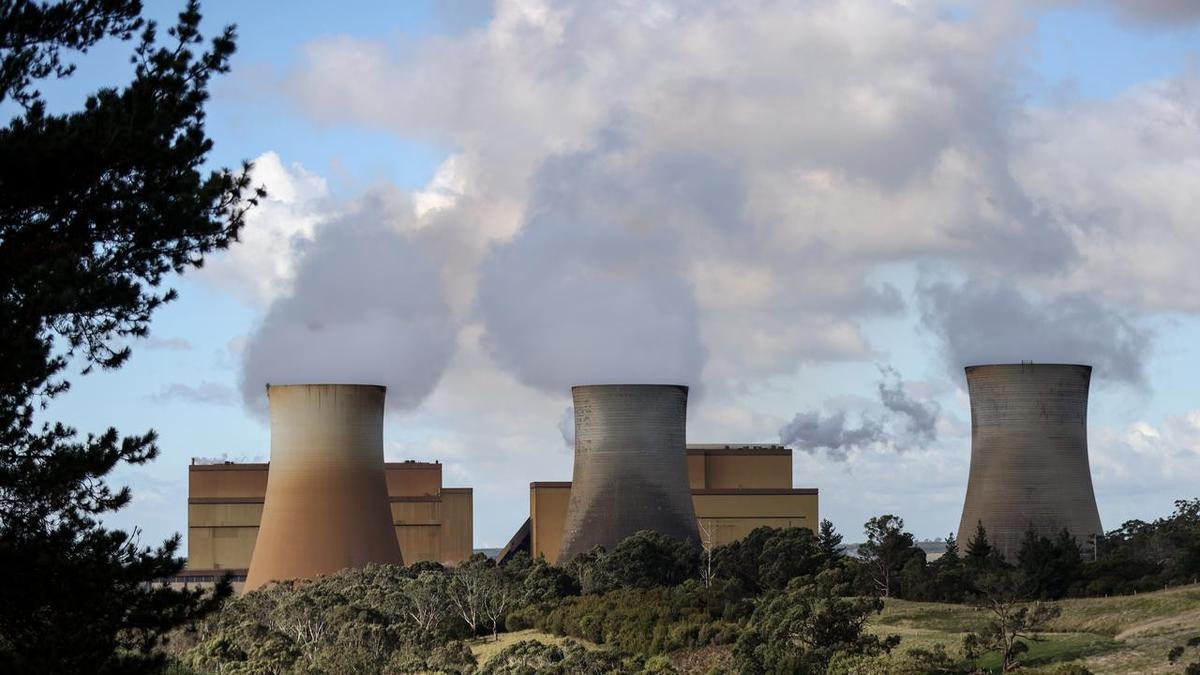
The air crackles with anticipation. Not just the usual hum of a bustling economy, but a new kind of energy – one born from a global consensus that the fossil fuel era is drawing to a close. Imagine a gathering of over 50 nations, Australia among them, not to debate the existence of climate change, but to actively draft the final chapter of our reliance on coal, oil, and gas. This isn't a distant dream; it's happening now. The "Committee of Doers," as they've been dubbed, are staring down the root cause of our climate crisis, and the implications for Australia are profound. But instead of fear, we should see opportunity. This isn't just about mitigating risk; it's about seizing the chance to build a more prosperous, sustainable, and innovative future for all Australians.
Beyond the Black Gold: Australia's Untapped Renewable Potential
For decades, Australia has ridden the wave of its abundant fossil fuel resources, becoming a global energy powerhouse. But the tide is turning. The world is demanding cleaner energy, and our sun-drenched continent and vast coastlines offer an unparalleled advantage. We're not just talking about solar panels on rooftops anymore. We're talking about utility-scale solar farms in the outback, capable of powering entire cities. We're talking about offshore wind farms harnessing the powerful gusts off our southern coastlines, generating clean electricity around the clock. Consider the sheer scale: the Australian Renewable Energy Agency (ARENA) estimates that large-scale solar and wind projects could generate electricity at a cost significantly lower than new fossil fuel power plants. For instance, the proposed Asian Renewable Energy Hub in Western Australia, a colossal project combining wind and solar, aims to produce up to 26 GW of power – enough to meet a significant portion of Australia's current electricity demand and export green hydrogen to the world. This isn't just about replacing old energy; it's about creating a new, more competitive energy landscape.
The Economic Dividend: New Industries, New Jobs
The transition away from fossil fuels isn't a job destroyer; it's a job creator. While some traditional industries will undoubtedly face challenges, the growth in renewable energy, green manufacturing, and sustainable technologies will open up a wealth of new opportunities. Think about the skilled trades required to install and maintain solar panels and wind turbines – electricians, engineers, project managers. Consider the burgeoning green hydrogen industry, which could see Australia become a global leader in exporting clean fuel. The CSIRO projects that a thriving hydrogen industry could generate $11 billion in additional GDP and create 16,000 new jobs by 2050. Furthermore, the demand for critical minerals essential for batteries and electric vehicles – lithium, nickel, cobalt – is skyrocketing, and Australia is rich in these resources. Developing our processing capabilities for these minerals onshore, rather than simply exporting raw materials, could create thousands of high-value manufacturing jobs and establish Australia as a key player in the global clean energy supply chain. This is an opportunity to diversify our economy and build resilience against future global shocks.
Policy Prowess: Government's Role in Accelerating the Shift
While the market will undoubtedly drive much of this transition, smart government policy is crucial to accelerate the shift and ensure a just transition for all Australians. This means more than just setting ambitious emissions targets. It involves strategic investments in renewable energy infrastructure, such as transmission lines to connect remote renewable energy zones to population centers. It requires clear regulatory frameworks that provide certainty for investors and streamline project approvals. Consider the success of the Victorian Government's renewable energy targets, which have spurred significant investment in wind and solar projects across the state. Furthermore, targeted support for communities currently reliant on fossil fuel industries is essential. This could include retraining programs for workers, investment in new industries in those regions, and incentives for businesses to relocate. The federal government's recent commitment to a 43% emissions reduction target by 2030 and its focus on renewable energy zones are positive steps, but sustained and ambitious policy action will be key to unlocking Australia's full potential in the green economy.
Innovation Nation: Australia's Edge in Green Technology
Australia has a proud history of innovation, from Wi-Fi to the black box flight recorder. The clean energy transition presents another opportunity for us to lead the world. Our universities and research institutions are at the forefront of developing cutting-edge technologies in areas like battery storage, green hydrogen production, and carbon capture and utilisation. Imagine Australian-developed battery technology powering homes and businesses globally, or our expertise in sustainable agriculture helping to feed a growing world population with a smaller environmental footprint. The potential for Australian startups to disrupt traditional industries with innovative green solutions is immense. For example, companies like SunDrive are pushing the boundaries of solar cell efficiency, while others are developing advanced recycling techniques for battery components. Investing in research and development, fostering a strong startup ecosystem, and encouraging collaboration between academia and industry will be vital to cementing Australia's position as an innovation nation in the green economy. This isn't just about adopting existing technologies; it's about creating the next generation of solutions.
The Future is Green, and It's Australian
The "Committee of Doers" is not just drafting the final chapter of fossil fuels; they are writing the opening chapters of a new, sustainable global economy. Australia, with its abundant natural resources, skilled workforce, and innovative spirit, is uniquely positioned to not just survive this transition, but to thrive. By embracing our renewable energy potential, fostering new green industries, implementing smart policies, and championing innovation, we can build a future that is not only environmentally responsible but also economically robust and socially equitable. The time for debate is over; the time for action is now. Let's seize this moment and ensure that Australia leads the way in the great green shift, creating a legacy of prosperity and sustainability for generations to come.
Comments
Replies to this report are stored in this browser only. For a public thread, you can add a third-party comments service on your host later.
No comments yet — be the first.