
The Freelander's Return: What Australian Investors Need to Know About the Chery-JLR Partnership
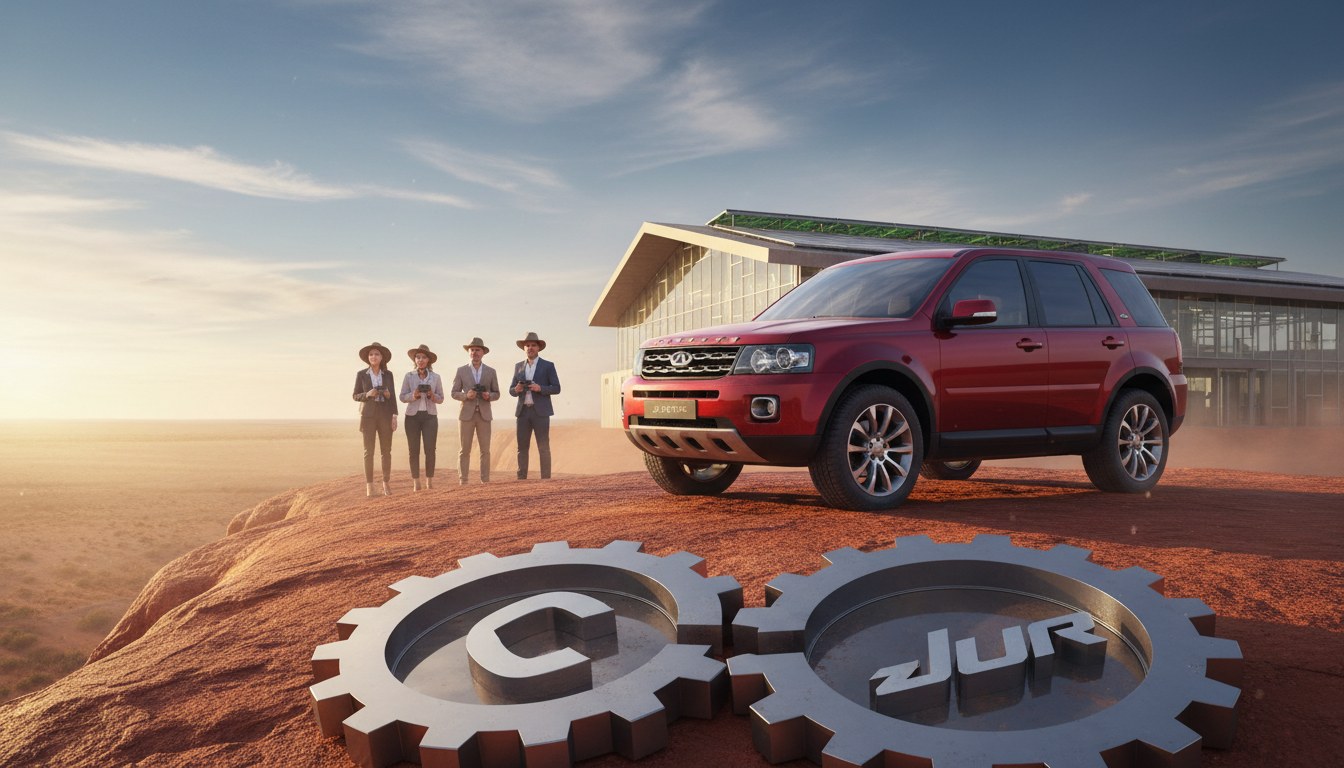
Remember the Freelander? For many Australians, the name conjures images of rugged capability and a certain British charm. After a 25-year hiatus, this iconic brand is making a comeback, but not as you once knew it. This time, it's a global SUV lineup born from an intriguing partnership between Chinese automotive giant Chery and the venerable Jaguar Land Rover (JLR). And here's the kicker: Australian roads are already playing a crucial role in its development. For savvy investors and car enthusiasts alike, this isn't just another car launch; it's a fascinating case study in global automotive strategy, market disruption, and the potential for significant financial returns. So, buckle up – we're about to explore what the Freelander's revival means for your portfolio and the Australian automotive landscape.
A Strategic Alliance: Chery, JLR, and the New Freelander
The re-emergence of the Freelander brand under the Chery-JLR umbrella is a masterclass in strategic collaboration. JLR, with its rich heritage in luxury and off-road vehicles, brings brand recognition and engineering prowess. Chery, on the other hand, offers immense manufacturing scale, technological innovation, and a deep understanding of emerging markets. This isn't just a rebadging exercise; it's a deliberate effort to leverage the strengths of both companies to create a compelling new offering. For Australian investors, this partnership signals a potential for significant market penetration. Consider the success of other Chinese-backed brands like MG and GWM Haval in Australia, which have rapidly gained market share by offering value-packed vehicles. The Freelander, with its JLR lineage, could command a premium over these brands while still undercutting traditional European rivals, carving out a lucrative niche.
The decision to conduct extensive testing in Australia is particularly telling. Our diverse and often challenging driving conditions – from scorching deserts to winding coastal roads – provide an ideal proving ground for SUVs. This commitment to local validation suggests a serious intent to tailor the Freelander for the Australian market, a move that historically resonates well with local buyers. For investors, this translates to reduced market entry risk and a higher probability of consumer acceptance. Imagine the marketing potential: "Tested and perfected on Australian terrain." This isn't just a slogan; it's a promise of durability and suitability that could drive strong sales figures.
Market Disruption and Competitive Landscape
The Australian SUV market is fiercely competitive, dominated by established players like Toyota (RAV4, Kluger), Mazda (CX-5, CX-8), and Hyundai (Tucson, Santa Fe). The new Freelander will enter a segment where consumers are increasingly demanding a blend of performance, technology, and value. Its success will hinge on its ability to differentiate itself. Given the Chery-JLR partnership, we can anticipate a vehicle that offers a compelling mix: JLR-inspired design and off-road capability, combined with Chery's advanced infotainment systems and competitive pricing. This could put pressure on mid-range SUV offerings, forcing competitors to innovate or risk losing market share.
Consider the pricing sweet spot. If the Freelander 8, for example, can offer features and refinement comparable to a top-spec Mazda CX-5 (around $55,000 AUD) or a base model Land Rover Discovery Sport (starting from approximately $70,000 AUD) but at a price point closer to $45,000-$60,000 AUD, it could be a game-changer. This strategic positioning could attract buyers looking for premium features without the premium price tag, a segment that is growing rapidly in Australia. Investors should monitor initial pricing announcements closely, as this will be a key indicator of the brand's market strategy and potential for rapid adoption.
Investment Opportunities and Considerations for Australians
For Australian investors, the return of the Freelander presents several avenues for potential engagement. While direct investment in the Chery-JLR joint venture might be complex for individual retail investors, there are indirect opportunities to consider:
- Automotive Retail Sector: If the Freelander gains traction, it will boost sales for dealerships that secure the franchise. Investing in publicly listed automotive retail groups that are likely to carry the new brand could be a viable option. Keep an eye on announcements regarding dealership networks.
- Component Suppliers: The production of a new global SUV will require a vast supply chain. While many suppliers will be international, there may be opportunities for Australian component manufacturers or service providers to contribute, particularly in areas like specialized testing equipment or logistics.
- Infrastructure and Services: Increased vehicle sales, regardless of brand, generally benefit related industries such as automotive finance, insurance, and aftermarket services. Companies in these sectors could see a boost in demand.
- Global Automotive ETFs: For a diversified approach, consider Exchange Traded Funds (ETFs) that track the global automotive industry. While not specific to Chery or JLR, a successful Freelander launch contributes to the overall health and growth of the sector.
It's crucial to conduct thorough due diligence. Research the financial health of Chery and JLR, their long-term strategic goals, and their track record in new market entries. Pay attention to early sales figures, customer reviews, and any recalls or quality issues that may arise. The automotive industry is capital-intensive and highly sensitive to economic fluctuations, so a long-term perspective is essential.
The Road Ahead: What to Watch For
The coming months will be critical for the new Freelander. Here's what Australian investors and consumers should be watching:
- Official Australian Launch Details: Expect comprehensive information on model variants, specifications, and, most importantly, pricing. Competitive pricing will be paramount for success.
- Marketing and Brand Positioning: How will the Chery-JLR partnership communicate the Freelander's unique value proposition? Will they lean into the JLR heritage, Chery's technological prowess, or a blend of both? The messaging will be key to attracting buyers.
- Dealership Network Expansion: A robust and accessible dealership network is vital for sales and after-sales support. Monitor announcements regarding new dealerships or partnerships with existing automotive groups.
- Initial Sales Performance: Early sales figures will provide the first real indication of market acceptance. Strong initial demand could signal a significant new player in the Australian SUV market.
- Long-Term Reliability and Resale Value: While early sales are important, long-term success hinges on reliability and strong resale values. These factors will build brand loyalty and sustain demand over time.
The return of the Freelander is more than just a nostalgic nod to the past; it's a bold statement about the future of the global automotive industry. For Australian investors, it represents a fascinating opportunity to observe and potentially participate in a significant market shift. By understanding the strategic underpinnings of the Chery-JLR partnership, the competitive landscape, and the key indicators of success, you can position yourself to potentially benefit from this exciting new chapter in automotive history. Keep your eyes on the road, and your portfolio diversified.
Comments
Replies to this report are stored in this browser only. For a public thread, you can add a third-party comments service on your host later.
No comments yet — be the first.