
The Freelander Returns: What This Means for Your Wallet and the Australian Car Market
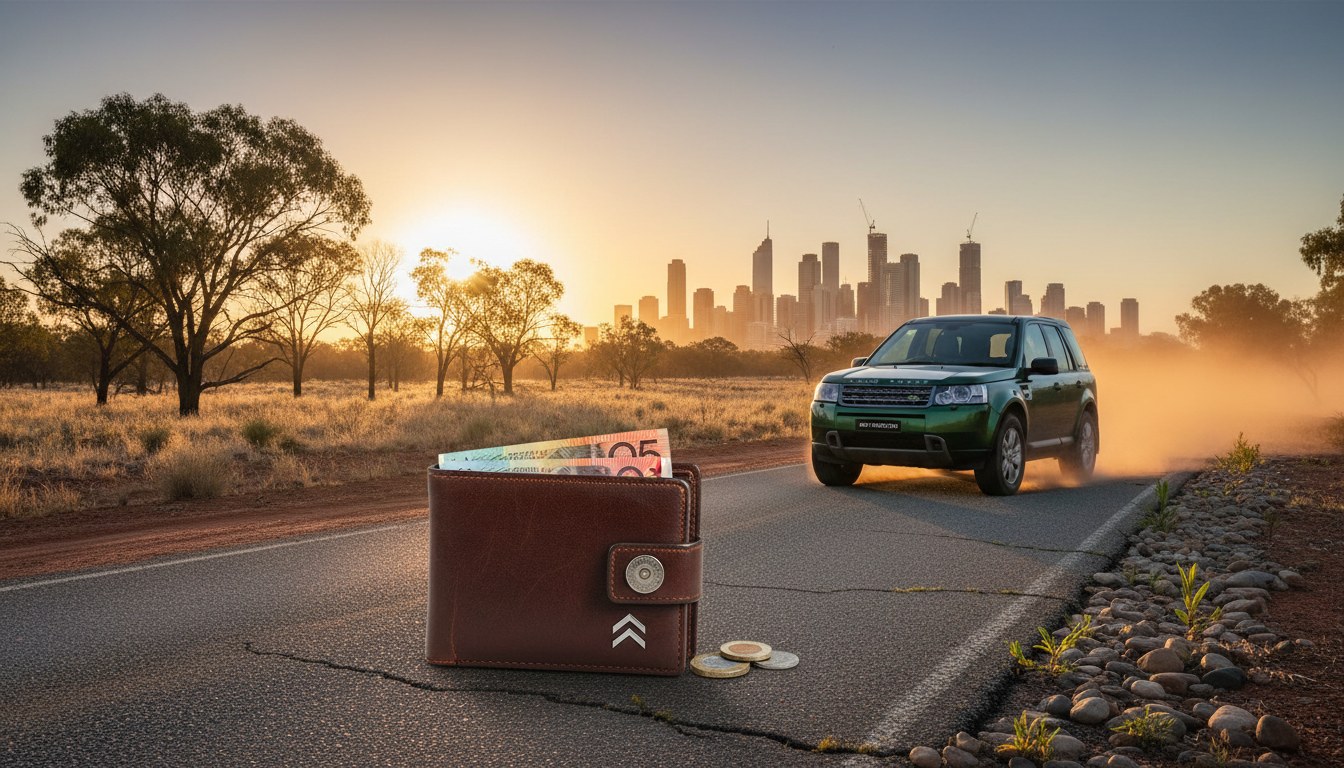
Remember the Freelander? For many Australians, the name conjures images of rugged capability and a certain British charm. After a 25-year hiatus, the Freelander is back, but not as you remember it. This time, it’s a global SUV lineup born from a fascinating collaboration between Chery and JLR, and guess what? Australian roads are already playing a crucial role in its development. This isn't just another car launch; it's a significant event that could reshape the Australian automotive landscape, offering both exciting opportunities and potential financial considerations for consumers. So, buckle up, because we're about to explore what the return of the Freelander means for your next car purchase, your investment portfolio, and the broader Australian economy.
A New Era of Automotive Partnerships: Chery-JLR and the Freelander 8
The automotive industry is no stranger to strategic alliances, but the Chery-JLR partnership for the Freelander brand is particularly intriguing. JLR, the parent company of Land Rover and Jaguar, brings its heritage of luxury and off-road prowess, while Chery, a Chinese automotive giant, offers scale, manufacturing efficiency, and a strong foothold in emerging markets. This collaboration isn't just about slapping a badge on a car; it's about leveraging complementary strengths to create a new global player. The Freelander 8, the first model in this revived lineup, is already undergoing rigorous testing on Australian soil, a testament to the country's diverse and challenging driving conditions. This isn't just a marketing gimmick; it signifies a genuine commitment to delivering a vehicle that can withstand the unique demands of the Australian environment, from scorching outback roads to bustling city commutes.
For Australian consumers, this partnership could translate into a compelling value proposition. Imagine a vehicle that combines the robust engineering and sophisticated design cues of a Land Rover with the competitive pricing and advanced technology often associated with Chinese manufacturers. This hybrid approach could disrupt the established SUV market, offering a fresh alternative to popular models like the Toyota RAV4, Mazda CX-5, and even premium offerings from BMW and Mercedes-Benz. The key will be how successfully they blend these elements and position the Freelander 8 in a crowded market. Early indications suggest a focus on advanced features, strong performance, and a competitive price point, aiming to capture a significant share of the lucrative Australian SUV segment, which saw over 600,000 units sold in 2023 alone.
Practical Insights for Australian Car Buyers: What to Expect and Consider
The return of the Freelander presents both exciting prospects and important considerations for Australian car buyers. Here’s what you need to keep in mind:
- Competitive Pricing: Given Chery's involvement, expect the Freelander 8 to be aggressively priced. This could put pressure on established players and potentially lead to more competitive deals across the SUV segment. If the Freelander 8 can offer a compelling feature set at, say, a starting price of around $45,000 - $55,000, it could significantly undercut some European rivals while offering more premium features than some Japanese and Korean competitors.
- Technology and Features: Chinese manufacturers are known for integrating cutting-edge technology, and the Freelander 8 is likely to follow suit. Expect advanced infotainment systems, comprehensive safety suites (ADAS), and potentially even hybrid or electric powertrain options. This could raise the bar for standard features in the mid-size SUV category.
- Resale Value: This is a crucial factor for Australian buyers. As a new brand (or rather, a revived brand with a new identity), initial resale values might be a question mark. However, strong warranty programs, readily available parts, and a growing service network will be vital for building consumer confidence and bolstering long-term value. Look for extended warranties beyond the standard 5-7 years offered by many brands.
- Service and Parts Network: A robust and accessible service and parts network is paramount in Australia, especially for a new entrant. Chery has been expanding its presence, but the Freelander brand will need to establish its own dedicated support infrastructure or leverage existing JLR networks effectively. Before committing, investigate the availability of service centres in your region and the projected cost of routine maintenance.
- Australian Testing Advantage: The fact that the Freelander 8 is being tested extensively in Australia is a huge plus. This means the vehicle is being specifically tuned for our unique road conditions, climate, and even our often-demanding driving styles. This could translate to superior ride comfort, handling, and durability compared to vehicles primarily developed for other markets.
Investment Opportunities and Economic Impact Down Under
Beyond individual car purchases, the return of the Freelander has broader economic implications for Australia. For investors, this could signal new opportunities:
- Automotive Retail Sector: Dealership groups that secure Freelander franchises could see significant growth. Keep an eye on publicly listed automotive retailers like Eagers Automotive (ASX: APE) or AP Eagers (ASX: APE) for potential impacts.
- Parts and Accessories Market: A new vehicle brand means a new market for aftermarket parts, accessories, and servicing. Companies involved in these sectors could benefit from increased demand.
- Logistics and Shipping: The import and distribution of these new vehicles will boost activity in the logistics and shipping industries.
- Manufacturing and R&D (Long-term): While initial production will likely be overseas, successful market penetration could, in the very long term, lead to considerations for local manufacturing or increased R&D investment in Australia, though this is speculative at this stage.
From a national economic perspective, increased competition in the automotive market can lead to lower prices for consumers, stimulating spending and offering more choice. It also reinforces Australia's role as a critical testing ground for global automotive brands, attracting further investment and expertise.
The Road Ahead: Navigating the New Automotive Landscape
The re-emergence of the Freelander brand, spearheaded by the Chery-JLR collaboration, is more than just a nostalgic nod to the past. It represents a forward-looking strategy to capture a significant share of the global SUV market, with Australia playing a pivotal role in its development. For Australian consumers, this means a potentially exciting new option in the highly competitive SUV segment, offering a blend of heritage, innovation, and competitive pricing. However, as with any new entrant, due diligence is key. Research the warranty, service network, and long-term ownership costs before making a decision.
The automotive landscape is constantly evolving, and partnerships like Chery-JLR are a clear indication of where the industry is headed. As the Freelander 8 hits Australian showrooms, it will be fascinating to see how it stacks up against the established players and how it ultimately shapes the choices available to Australian drivers. One thing is certain: the return of the Freelander is set to inject a fresh dose of competition and innovation into our car market, and that's good news for everyone.
Comments
Replies to this report are stored in this browser only. For a public thread, you can add a third-party comments service on your host later.
No comments yet — be the first.