
Powering Up: How Microgrids are Revolutionizing Energy Independence in Australia
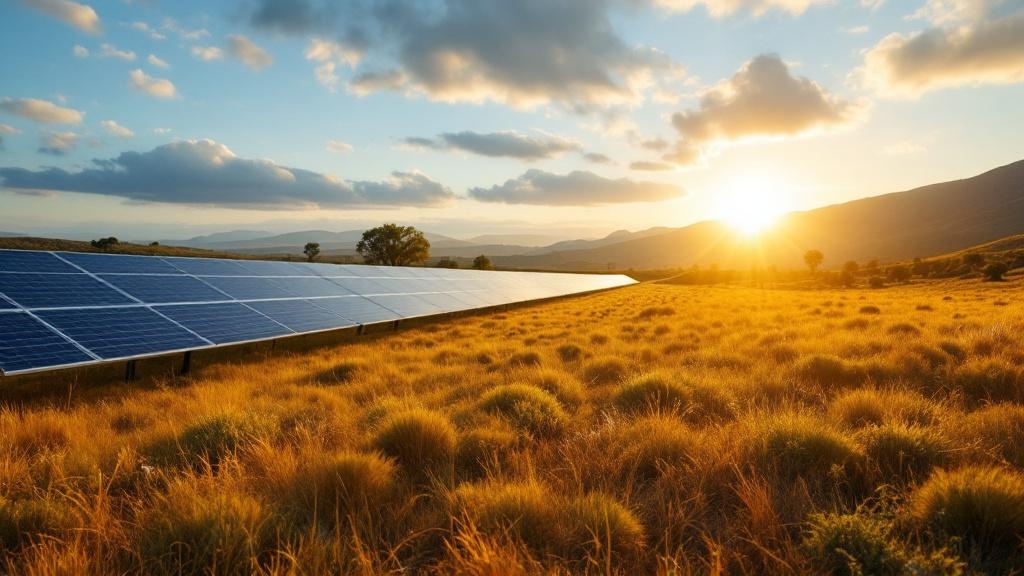
Imagine a future where your community isn't beholden to a distant, centralized power grid. A future where your electricity is generated locally, sustainably, and reliably, even when the big grid falters. For many remote communities across Australia, particularly Indigenous towns, this isn't a futuristic fantasy – it's becoming a tangible reality thanks to the rise of microgrids. This isn't just about keeping the lights on; it's about achieving true energy sovereignty, fostering economic growth, and building a more resilient future for all Australians.
The Vulnerability of the Centralized Grid: A Wake-Up Call
Australia's vast and often sparsely populated landscape presents unique challenges for traditional energy infrastructure. Long transmission lines are susceptible to extreme weather events – think devastating bushfires, cyclones, and floods – leading to widespread and prolonged power outages. For remote communities, these outages can be more than an inconvenience; they can be life-threatening, impacting access to essential services like healthcare, communication, and clean water. Furthermore, the reliance on diesel generators in many off-grid locations is not only environmentally damaging but also incredibly expensive. The Australian Renewable Energy Agency (ARENA) estimates that remote communities can pay up to five times more for electricity than those connected to the main grid, with diesel fuel costs often exceeding $1 per kilowatt-hour (kWh).
This vulnerability has spurred a critical re-evaluation of our energy strategy. The push for energy independence, particularly in regions historically underserved by traditional infrastructure, is gaining significant momentum. Microgrids offer a compelling solution, providing a localized, self-sufficient energy ecosystem that can operate independently or in conjunction with the main grid.
Microgrids: A Blueprint for Localized Power
So, what exactly is a microgrid? In essence, it's a localized energy grid that can disconnect from the traditional centralized grid and operate autonomously. It typically integrates various energy sources, including renewables like solar and wind, with battery storage and often a backup generator. This intelligent system manages energy generation, distribution, and consumption within a defined geographical area, such as a town, an industrial park, or even a university campus.
The benefits are multifaceted:
- Enhanced Reliability: When the main grid goes down, a microgrid can "island" itself, continuing to supply power to its connected consumers. This resilience is invaluable during natural disasters or grid failures.
- Reduced Costs: By harnessing local renewable resources, communities can significantly reduce their reliance on expensive fossil fuels, leading to substantial savings on electricity bills. For example, the Indigenous-led microgrid project in the Northern Territory, supported by an $8.3 million grant, aims to halve power bills for residents.
- Environmental Sustainability: Microgrids predominantly utilize renewable energy sources, drastically cutting carbon emissions and contributing to Australia's climate change targets.
- Economic Empowerment: Local energy generation creates local jobs, fosters new industries, and keeps energy dollars within the community, stimulating economic growth and self-determination.
- Energy Sovereignty: For Indigenous communities, microgrids represent a powerful step towards self-determination, allowing them to control their own energy future and reduce dependence on external systems.
Australian Success Stories: From Desert to Coast
Australia is rapidly becoming a global leader in microgrid development, with numerous innovative projects demonstrating their transformative potential. One of the most inspiring examples comes from remote Indigenous communities. The ARENA-backed Remote Community Energy Program is a testament to this, supporting projects that integrate solar and battery storage to replace diesel generation. For instance, the town of Daintree in Far North Queensland, historically reliant on diesel, is now powered by a microgrid combining solar, battery storage, and a small hydro plant, significantly reducing its carbon footprint and fuel costs.
Another groundbreaking initiative is the Northern Territory microgrid project, which recently secured an $8.3 million grant. This project, spearheaded by Indigenous communities, aims to replace diesel generators with solar and battery storage, not only reducing emissions but also providing significant economic benefits and energy independence. These projects are not just about technology; they are about empowering communities to take control of their energy destiny, creating local jobs, and building a more sustainable future.
Beyond remote communities, microgrids are also gaining traction in urban and industrial settings. The CSIRO's Renewable Energy Microgrid (REM) facility in Newcastle, for example, is a living laboratory for testing and demonstrating advanced microgrid technologies, paving the way for wider adoption across the country.
The Path Forward: Policy, Investment, and Community Engagement
While the benefits of microgrids are clear, their widespread adoption requires a concerted effort from government, industry, and communities. For Australian readers, here are some practical insights:
- Policy Support: Continued government funding and supportive regulatory frameworks are crucial to de-risk investments and accelerate microgrid deployment. Initiatives like ARENA's programs are vital, but further streamlining of permitting processes and incentives for renewable energy integration are needed.
- Investment Opportunities: The microgrid sector presents significant investment opportunities for both public and private entities. As technology advances and costs decrease, the return on investment for sustainable energy solutions becomes increasingly attractive.
- Community Engagement: Successful microgrid projects are built on strong community engagement and ownership. Empowering local communities to design, implement, and manage their energy systems ensures long-term success and fosters a sense of energy sovereignty.
- Technological Innovation: Continued research and development in battery storage, smart grid technologies, and demand-side management will further enhance the efficiency and cost-effectiveness of microgrids.
- Skills Development: Investing in training and education programs to develop a skilled workforce capable of designing, installing, and maintaining microgrid systems is essential for scaling up deployment.
The journey towards a decentralized, resilient, and sustainable energy future is well underway in Australia. Microgrids are not just a technological solution; they are a powerful tool for social and economic empowerment, particularly for remote and Indigenous communities. By embracing this innovative approach, Australia can not only meet its climate targets but also build a more equitable and energy-secure nation for generations to come. The future of power is local, and it's looking brighter than ever.
Comments
Replies to this report are stored in this browser only. For a public thread, you can add a third-party comments service on your host later.
No comments yet — be the first.