
Powering Up: How Microgrids are Revolutionizing Energy Independence (and What it Means for GB)
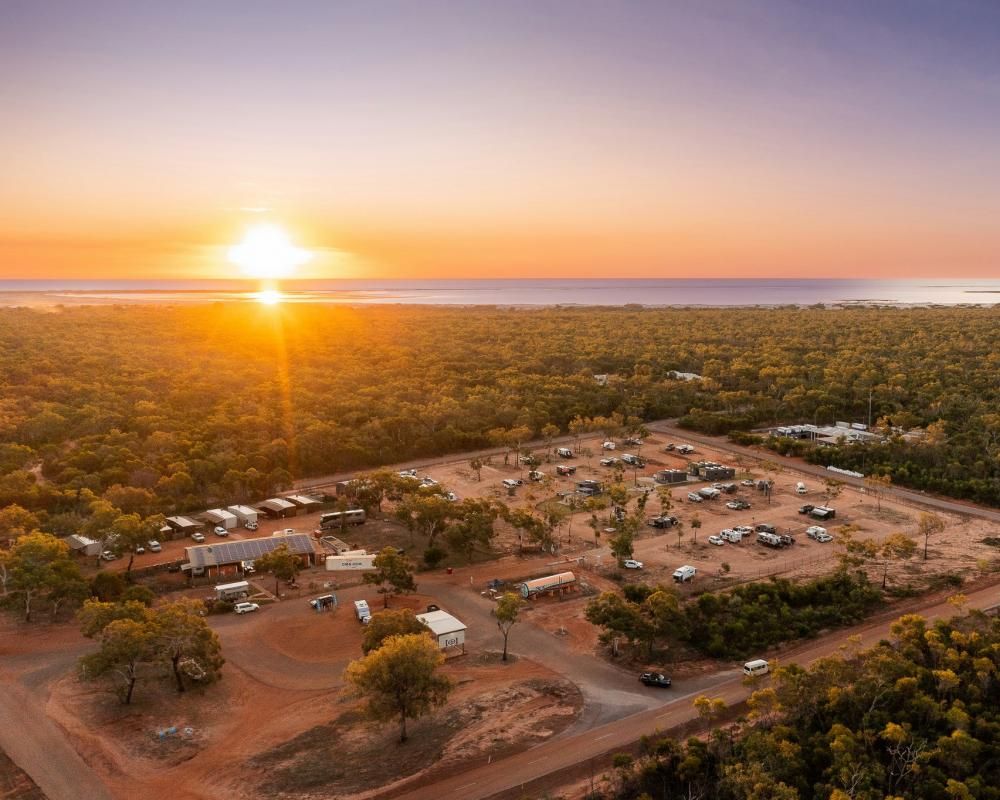
Imagine a world where your electricity isn't dictated by a distant power plant or a fragile national grid. A world where your community generates its own clean energy, resilient to outages and price fluctuations. For many remote Indigenous communities, this isn't a futuristic fantasy – it's becoming a tangible reality through the power of microgrids. And while their journey to energy sovereignty might seem geographically distant, the lessons learned and the opportunities presented by this innovative technology are profoundly relevant to us here in Great Britain.
The source article highlights how these communities, often reliant on expensive and environmentally damaging diesel generators, are embracing solar microgrids to secure their energy supply and even own their infrastructure. This isn't just about keeping the lights on; it's about economic empowerment, environmental stewardship, and a fundamental shift in how we think about energy. So, what exactly are microgrids, and why should GB be paying close attention?
Beyond the Grid: Understanding the Microgrid Revolution
At its core, a microgrid is a localised energy system that can operate independently from the main national grid, or seamlessly connect to it. Think of it as a mini-power station for a specific area – a village, an industrial park, a university campus, or even a cluster of homes. These systems typically integrate various energy sources, often renewables like solar panels and wind turbines, alongside battery storage and sometimes traditional generators for backup.
The beauty of a microgrid lies in its flexibility and resilience. When the main grid goes down due to a storm, a technical fault, or even a cyberattack, a well-designed microgrid can "island" itself, continuing to supply power to its connected consumers. This offers unparalleled energy security, a critical factor for communities in remote locations or those vulnerable to extreme weather events. For instance, a hospital powered by a microgrid can continue to operate life-saving equipment even during a widespread blackout.
Furthermore, microgrids often incorporate smart technologies that optimise energy generation and consumption, leading to greater efficiency and lower costs. They can also facilitate the integration of more renewable energy, reducing reliance on fossil fuels and contributing to decarbonisation goals. The Indigenous communities mentioned in the source article are a prime example, moving away from costly diesel to sustainable solar, often with significant economic benefits.
The GB Context: Why Microgrids Matter Here
While GB boasts a sophisticated national grid, we are not immune to the challenges that microgrids address. Our aging infrastructure, increasing demand, and the imperative to transition to a net-zero economy all point towards a growing need for decentralised and resilient energy solutions. Here's why microgrids are becoming increasingly relevant for us:
- Energy Security and Resilience: From the Beast from the East to recent storms, GB has experienced significant power outages. Microgrids can provide critical backup for essential services, businesses, and homes, particularly in rural areas or those prone to severe weather. Imagine a village in the Scottish Highlands maintaining power during a blizzard thanks to its local wind and solar microgrid.
- Decarbonisation and Renewable Integration: GB has ambitious climate targets. Microgrids offer a powerful mechanism to integrate more intermittent renewable energy sources like solar and wind into our energy mix without overburdening the national grid. They can help balance supply and demand locally, reducing the need for fossil fuel "peaker plants."
- Reducing Grid Strain and Investment: As electricity demand grows, upgrading the national grid can be incredibly expensive and disruptive. Microgrids can alleviate pressure on the grid by generating power closer to where it's consumed, potentially deferring or reducing the need for costly infrastructure upgrades.
- Economic Opportunities: The development and deployment of microgrids create new jobs in engineering, manufacturing, installation, and maintenance. Furthermore, communities that own their microgrid infrastructure can benefit from reduced energy costs and even generate revenue by selling surplus power back to the main grid.
- Addressing Fuel Poverty: By enabling communities to generate their own cheaper, cleaner energy, microgrids can play a role in tackling fuel poverty, particularly in areas with high energy costs.
Concrete Examples and the Path Forward for GB
While the scale and context differ, the principles demonstrated by remote Indigenous communities are directly applicable to GB. Consider these potential scenarios and existing initiatives:
- Rural Communities: Imagine a cluster of farms and homes in Cornwall, currently experiencing frequent power cuts. A community-owned microgrid, combining rooftop solar, a small wind turbine, and battery storage, could provide reliable, affordable power, reducing their reliance on the national grid and protecting them from outages. The UK government's Rural Community Energy Fund (RCEF) is a step in this direction, supporting early-stage rural renewable energy projects.
- Industrial Parks and Business Districts: A large industrial estate in the Midlands could install a microgrid incorporating solar carports, combined heat and power (CHP) units, and battery storage. This would provide energy security for critical operations, reduce energy bills, and lower their carbon footprint. For example, the Project LEO (Local Energy Oxfordshire) is exploring how local energy systems, including microgrids, can benefit communities and businesses.
- University Campuses and Hospitals: Institutions with critical infrastructure and high energy demands are ideal candidates. A university in Manchester could power its entire campus with a microgrid, ensuring uninterrupted research and teaching, while also serving as a living laboratory for energy innovation.
- New Housing Developments: Future housing estates could be designed with integrated microgrids, making them energy self-sufficient and resilient from day one. This could involve communal solar arrays, ground source heat pumps, and shared battery storage, reducing the burden on the national grid and offering residents lower energy bills.
The UK has already seen some pioneering microgrid projects. For instance, the Orkney Islands are a world leader in renewable energy integration, effectively operating as a large-scale microgrid with significant wind power generation. While not a single, isolated microgrid, their approach to managing local generation and demand offers valuable insights.
Empowering Communities: The Financial and Social Upside
The financial benefits of microgrids extend beyond simply lower energy bills. For communities, owning their energy infrastructure can create a new revenue stream. Imagine a community energy group in Wales selling surplus electricity generated by their microgrid back to the national grid, with profits reinvested into local services or further energy efficiency measures. This fosters a sense of ownership and control, mirroring the energy sovereignty sought by Indigenous communities.
Furthermore, the development of microgrids can stimulate local economies. The installation and maintenance of these systems require skilled labour, creating local jobs and fostering expertise in renewable energy technologies. This can be particularly impactful in areas facing economic challenges, offering a pathway to sustainable growth.
The social benefits are equally compelling. Enhanced energy security means less disruption to daily life, improved public services, and greater peace of mind. It also empowers communities to take an active role in their energy future, fostering local collaboration and innovation. This shift from passive consumers to active energy producers is a powerful driver of change.
A Brighter, More Resilient Energy Future
The journey of remote Indigenous communities towards energy sovereignty through microgrids offers a powerful blueprint for a more resilient, sustainable, and equitable energy future. For Great Britain, embracing microgrid technology isn't just about adopting a new gadget; it's about fundamentally rethinking our energy infrastructure, empowering our communities, and accelerating our transition to a net-zero economy.
By investing in local energy solutions, fostering community ownership, and leveraging smart technologies, we can build a GB where power is not just supplied, but truly owned and controlled by its people. The future of energy is distributed, resilient, and, most importantly, in our hands. Let's learn from those who are already leading the way and power up our own communities for a brighter tomorrow.
Comments
Replies to this report are stored in this browser only. For a public thread, you can add a third-party comments service on your host later.
No comments yet — be the first.