Navigating the Storm: How Geopolitical Tensions Could Impact Your Wallet (and What You Can Do About It)
The news cycle often feels like a relentless tide, bringing with it stories of global events that, at first glance, might seem distant from our everyday lives here in Great Britain. Yet, as recent headlines suggest, geopolitical tensions, particularly those involving critical global trade routes, have a surprising knack for rippling across oceans and directly into our pockets. The mere mention of potential disruptions in vital shipping lanes, like the Strait of Hormuz, can send shivers down the spines of economists and consumers alike. But what does this truly mean for you, the average Briton, and how can you prepare for potential economic headwinds?
The Strait of Hormuz: A Chokepoint with Global Repercussions
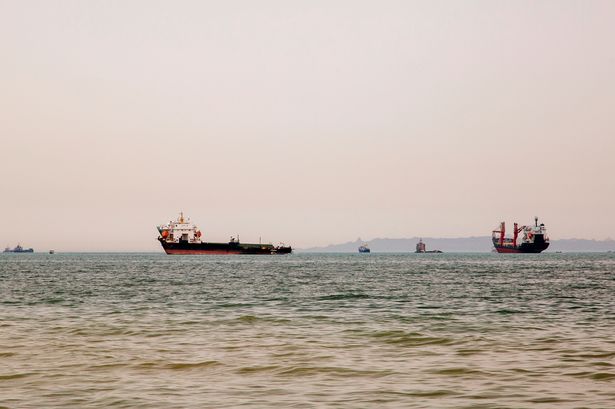
Imagine a narrow, watery bottleneck through which a significant portion of the world's lifeblood flows. That, in essence, is the Strait of Hormuz. This crucial waterway, nestled between Oman and Iran, has historically been responsible for transporting a staggering one-fifth of global oil and gas supplies. When geopolitical tensions escalate in the region, as they have with recent reports of potential conflicts, the threat of disruption to this vital artery becomes very real. The immediate and most visible impact? A surge in oil prices. We've seen this play out before; even the hint of instability can send crude oil futures soaring. For us in GB, this translates directly to higher prices at the pump, increased energy bills, and a potential domino effect across various sectors of our economy.
Consider this: if the price of a barrel of Brent crude oil, which currently hovers around the £70-£80 mark, were to jump by, say, 20% due to supply concerns, you could expect to see petrol prices at your local station climb by several pence per litre. For a typical family car filling up with 50 litres, that could mean an extra £2-£3 per tank, adding up significantly over a month. Beyond the forecourt, businesses reliant on transportation, from logistics companies to local delivery services, would face increased operating costs, which are often passed on to consumers in the form of higher prices for goods and services. This inflationary pressure can erode purchasing power and make everyday living more expensive.
Beyond the Pump: The Broader Economic Ripple Effect
While fuel prices are the most immediate and noticeable impact, the economic fallout from disrupted energy supplies extends far beyond the petrol station. Energy is a fundamental input for almost every industry. Manufacturing, agriculture, and even the digital economy rely on stable and affordable energy. A sustained increase in energy costs can lead to:
- Increased Production Costs: Factories need energy to run machinery. Farms need fuel for tractors and heating for greenhouses. Higher energy prices mean higher costs to produce everything from your morning toast to your new smartphone.
- Supply Chain Disruptions: Global supply chains are already fragile. If shipping costs skyrocket due to higher fuel prices for cargo ships, or if certain goods become scarce due to production slowdowns, we could see further delays and shortages on supermarket shelves and in online stores.
- Inflationary Pressures: As businesses pass on their increased costs, the overall price level of goods and services rises, leading to inflation. This means your money buys less, impacting your savings and disposable income. The Bank of England might then be compelled to raise interest rates to combat inflation, making borrowing more expensive for mortgages and loans.
- Impact on Investment and Growth: Economic uncertainty and higher operating costs can deter businesses from investing and expanding, potentially slowing down economic growth and even leading to job losses in some sectors.
For example, the UK imports a significant amount of its natural gas. If global gas prices surge, your household energy bill, already a concern for many, could see further substantial increases. Imagine an average annual energy bill of £1,928 (based on current OFGEM price cap figures) potentially rising by another 10-15% in a worst-case scenario, adding hundreds of pounds to household expenses.
Practical Steps for Financial Resilience in Uncertain Times
While we can't control global geopolitics, we can certainly take proactive steps to bolster our personal financial resilience. Here are some practical insights for navigating potential economic turbulence:
- Review Your Budget and Cut Unnecessary Spending: Now is an excellent time to scrutinise your monthly outgoings. Can you reduce subscriptions you rarely use? Are there cheaper alternatives for your regular purchases? Even small savings can add up. For instance, switching from a daily £3 coffee to making your own could save you over £700 a year.
- Build or Boost Your Emergency Fund: Aim for at least 3-6 months' worth of essential living expenses in an easily accessible savings account. This financial cushion can be invaluable if you face unexpected costs or a reduction in income. If you currently have £1,000 saved, aim to increase it to £3,000-£5,000 over the next few months.
- Consider Energy Efficiency Improvements: With energy prices a persistent concern, investing in energy-saving measures can pay dividends. Simple steps like draught-proofing, insulating your loft, or upgrading to more efficient appliances can significantly reduce your energy consumption and bills. A well-insulated loft, for example, can save you up to £300 a year on heating costs.
- Explore Public Transport or Carpooling: If fuel prices continue to climb, consider alternatives to driving. Public transport, cycling, or carpooling can significantly reduce your fuel expenditure. Even reducing your car usage by one day a week could save you £10-£15 on fuel, depending on your commute.
- Diversify Your Investments (If Applicable): For those with investments, ensuring a diversified portfolio can help mitigate risks associated with specific market downturns. Consult a financial advisor if you're unsure.
- Stay Informed but Avoid Panic: Keep an eye on reliable news sources for economic updates, but avoid making rash financial decisions based on sensational headlines.
Looking Ahead: Preparedness, Not Panic
The prospect of geopolitical instability and its economic fallout can be daunting. However, the key is preparedness, not panic. By understanding the potential impacts, from higher fuel and energy bills to broader inflationary pressures, we can make informed decisions about our finances. The UK government, as reports suggest, is likely making its own contingency plans for potential shortages, but individual resilience remains paramount.
By taking proactive steps to manage your budget, build savings, and consider energy efficiency, you can create a stronger financial foundation to weather any economic storms that may lie ahead. Remember, even small changes can make a significant difference in safeguarding your financial well-being in an increasingly interconnected and unpredictable world. Start today, and empower yourself to navigate whatever challenges come our way.
Comments
Replies to this report are stored in this browser only. For a public thread, you can add a third-party comments service on your host later.
No comments yet — be the first.