Navigating the Next Energy Shock: Lessons from Australia's Fuel Rationing Past
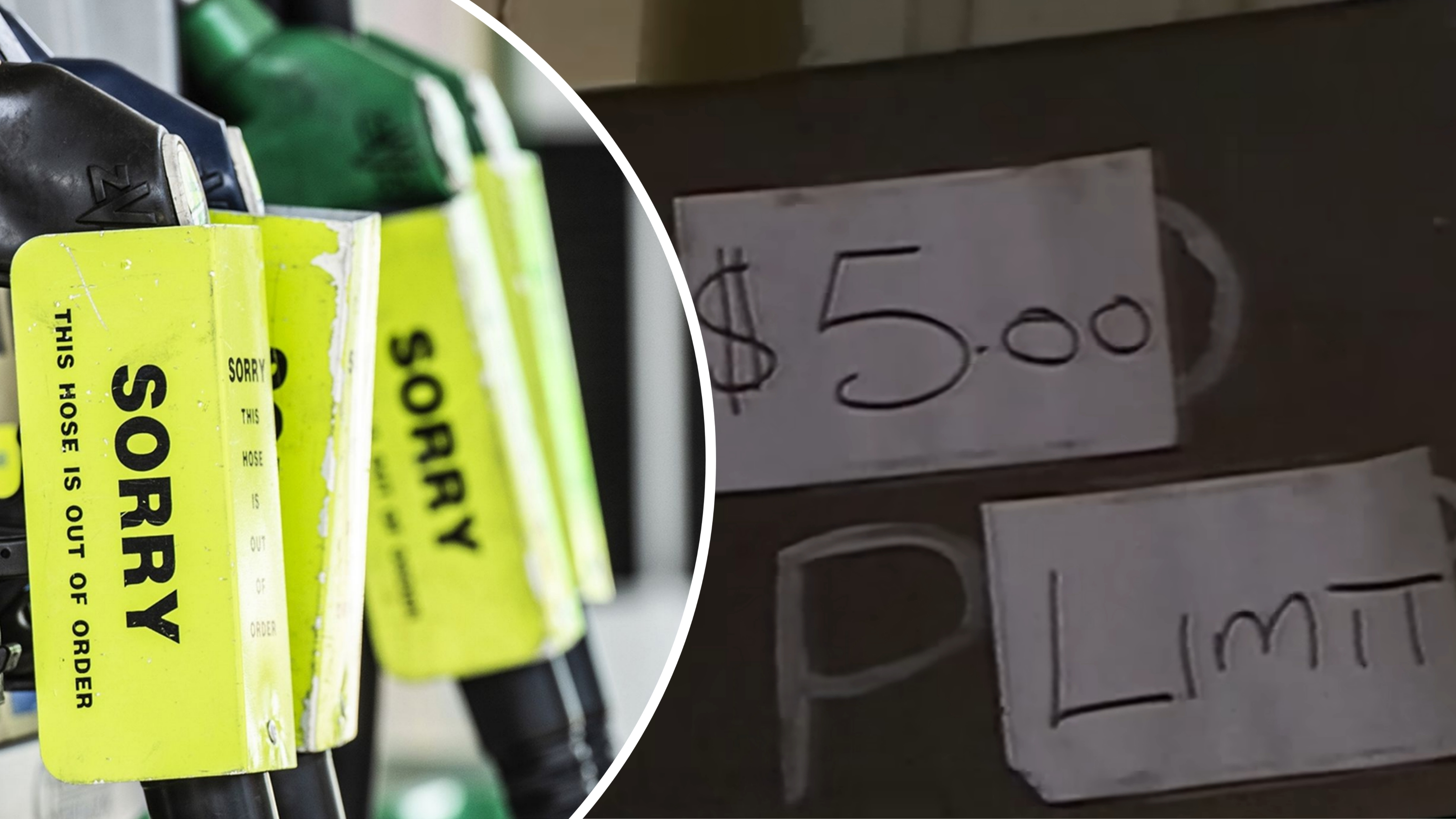
Remember the days when filling up your tank was as simple as swiping a card? For many Australians, that's still the reality. But what if it wasn't? What if a global crisis, a geopolitical upheaval, or even a natural disaster suddenly choked off our fuel supply? It sounds like a dystopian movie plot, but for Australians who lived through World War II and the 1979 oil crisis, fuel rationing was a very real, very inconvenient, and very impactful part of daily life. As we navigate an increasingly volatile global landscape, understanding our past experiences with energy scarcity isn't just a history lesson – it's a practical guide to building resilience for the future.
The recent rumblings of global instability, from conflicts in major oil-producing regions to supply chain disruptions, serve as stark reminders of our vulnerability. While the immediate threat of widespread fuel rationing might seem distant, the economic ripple effects of even minor supply shocks are already being felt at the bowser. This article delves into Australia's history with fuel rationing, offering practical insights for individuals and businesses to prepare for potential future energy disruptions. We'll explore what it looked like, the lessons learned, and actionable steps you can take today to safeguard your financial well-being and mobility.
When the Pumps Ran Dry: Australia's Rationing Reality
Australia has faced the harsh reality of fuel rationing twice in its modern history. The first, during World War II (1939-1945), was a prolonged and comprehensive effort to conserve resources for the war effort. Imagine a system where every vehicle owner received a ration book, dictating how much petrol they could purchase. For a typical private car owner, this might have meant a mere 2-3 gallons (approximately 9-14 litres) per month. Essential services, public transport, and agricultural vehicles received higher allocations, but even they faced significant restrictions. Carpooling became not just an option, but a necessity, with neighbours sharing rides to work and school. Public transport, already a lifeline for many, saw unprecedented demand, leading to overcrowded trams and buses.
Fast forward to 1979, and Australia faced another, albeit briefer, period of rationing. The Iranian Revolution triggered a global oil crisis, sending crude oil prices skyrocketing and causing widespread panic. While not as stringent as the wartime measures, the 1979 rationing saw petrol stations implementing purchase limits, often around $10-$20 per fill (which, in today's money, would be roughly $40-$80, depending on inflation and fuel prices). Queues at petrol stations stretched for blocks, and the "odd-even" licence plate system (where cars with odd-numbered plates could fill up on odd-numbered days, and vice-versa) was introduced in some areas to manage demand. These historical examples paint a vivid picture of how deeply fuel scarcity can impact daily life, from commuting to commerce.
The Economic Ripple Effect: Beyond the Bowsers
The impact of fuel rationing extends far beyond the inconvenience of limited driving. It creates a significant economic ripple effect that touches every sector. During both rationing periods, businesses faced immense challenges. Delivery services were severely hampered, leading to delays and increased costs for goods. Farmers struggled to transport produce to markets, impacting food supply chains and prices. Tourism, a vital industry for Australia, ground to a halt as discretionary travel became impossible. The construction sector, reliant on heavy machinery and transport, also experienced significant slowdowns.
For individuals, the financial strain was palpable. Public transport costs, while initially lower than car ownership, could become a significant burden for those who previously relied on their vehicles. The value of fuel-efficient vehicles soared, while gas-guzzlers became liabilities. Furthermore, the black market for fuel often emerged, with exorbitant prices and questionable quality, adding another layer of financial risk. The overall economic slowdown led to job losses and reduced consumer spending, creating a downward spiral that took time to recover from. The 1979 crisis, for instance, contributed to a period of economic stagnation and high inflation in Australia.
Building Personal and Business Resilience: Practical Steps for Today
While we hope widespread fuel rationing remains a distant memory, proactive preparation is always wise. Here are practical steps Australians can take to build resilience against future energy shocks:
- Diversify Your Transport: Don't put all your eggs in the petrol basket. Consider investing in an electric vehicle (EV) or a hybrid if your budget allows. For shorter commutes, an e-bike or even a regular bicycle can be a game-changer. Explore public transport options in your area and factor them into your daily routine.
- Embrace Remote Work/Flexibility: If your job allows, advocate for remote work or flexible hours. Reducing your commute even a few days a week can significantly cut down on fuel consumption and provide a buffer during price spikes or supply issues.
- Optimise Your Driving Habits: Simple changes can make a big difference. Maintain proper tyre pressure, avoid aggressive acceleration and braking, and plan your routes efficiently to minimise unnecessary driving. Carpooling with colleagues or neighbours is a fantastic way to share costs and reduce individual fuel consumption.
- Review Your Supply Chains (Businesses): For businesses, it's crucial to assess your reliance on fuel-dependent logistics. Can you localise your supply chain? Are there alternative transport methods for your goods? Investing in more fuel-efficient fleets or exploring electric delivery options can provide a competitive edge and reduce vulnerability.
- Emergency Preparedness Kit: While not directly fuel-related, having a well-stocked emergency kit that includes non-perishable food, water, and essential supplies can reduce your need to travel during a crisis, conserving precious fuel.
- Financial Buffer: Build an emergency fund. Unexpected fuel price hikes or rationing can strain household budgets. Having a financial safety net will provide peace of mind and flexibility during challenging times.
The Road Ahead: A Sustainable and Resilient Future
Australia's past experiences with fuel rationing serve as powerful reminders of our dependence on fossil fuels and the vulnerabilities that come with it. However, they also highlight our capacity for adaptation and innovation. The shift towards renewable energy sources, the growing popularity of electric vehicles, and the increasing adoption of flexible work arrangements are all steps towards a more resilient and sustainable future.
By learning from history and proactively implementing practical strategies, both individuals and businesses can better navigate the uncertainties of the global energy landscape. The goal isn't to live in fear of the next crisis, but to empower ourselves with the knowledge and tools to thrive, no matter what the road ahead holds. Let's ensure that "forced to carpool" becomes a choice for sustainability, not a consequence of scarcity.
Comments
Replies to this report are stored in this browser only. For a public thread, you can add a third-party comments service on your host later.
No comments yet — be the first.