
Navigating the Housing Maze: Unpacking Britain's Property Predicament
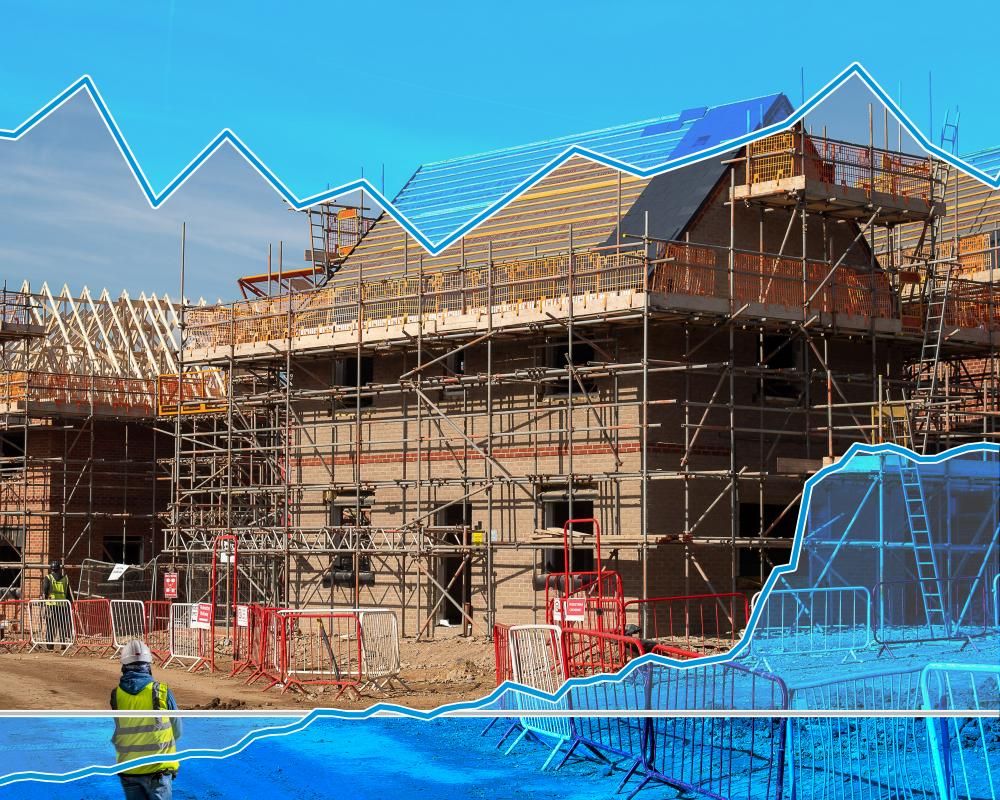
The dream of homeownership, once a cornerstone of British aspiration, feels increasingly like a distant mirage for many. With political parties making ambitious pledges – Labour’s 1.5 million new homes being a prime example – the rhetoric often clashes with the harsh realities on the ground. It’s not just about laying bricks; it’s about untangling a complex web of economic, logistical, and regulatory challenges that act like "sludge in the system," slowing progress to a crawl. For anyone looking to buy, sell, or invest in property across Great Britain, understanding these underlying issues isn't just academic – it's essential for making informed financial decisions.
The Cost Conundrum: When Materials and Money Collide
Imagine trying to build a house when the very foundations are shifting beneath your feet. That's the reality facing developers today. The soaring cost of building materials is a significant hurdle, directly impacting the feasibility and affordability of new homes. Since the pandemic, we've seen dramatic price hikes across the board:
- Timber: Prices surged by over 80% at their peak, driven by global demand and supply chain disruptions. While they've somewhat stabilised, they remain elevated compared to pre-2020 levels.
- Steel: Essential for structural integrity, steel prices have seen increases of 50-70% in recent years, influenced by energy costs and international trade dynamics.
- Concrete and Bricks: Even basic materials have become more expensive, with manufacturers citing rising energy bills and labour costs.
These aren't abstract figures; they translate directly into higher construction costs. A typical three-bedroom semi-detached house that might have cost £150,000 to build in 2019 could now easily cost £200,000 or more, purely due to material and labour inflation. This increased outlay for developers inevitably gets passed on to the buyer, pushing house prices further out of reach for first-time buyers and those on average incomes. For instance, if a developer's profit margin remains constant, a £50,000 increase in build cost could add £60,000-£70,000 to the final sale price, assuming a 20-25% margin.
Planning Permission Paralysis: The Bureaucratic Bottleneck
Even if developers can afford the materials, they often face another formidable adversary: the planning system. Described by many as a "bottleneck," the process of securing planning permission in the UK is notoriously slow, complex, and often contentious. Local authorities, often under-resourced, grapple with a deluge of applications, leading to significant delays. Consider these points:
- Average Approval Times: While minor applications might be processed in 8-13 weeks, major developments can take months, if not years, to gain approval. Some complex projects in areas like the South East have been known to languish for over two years in the planning pipeline.
- Staffing Shortages: A 2023 report by the Royal Town Planning Institute (RTPI) highlighted a significant shortage of qualified planners in local councils, exacerbating delays. This means fewer hands to process applications and provide timely feedback.
- Local Opposition (NIMBYism): The "Not In My Backyard" phenomenon is a powerful force. Local residents, concerned about increased traffic, strain on local services, or changes to their neighbourhood's character, often vociferously oppose new developments. While legitimate concerns exist, this opposition can lead to lengthy public consultations, appeals, and even legal challenges, further stalling projects. A proposed development of 500 homes in a commuter belt town, for example, could face dozens of objections, triggering a public inquiry that adds 6-12 months to the timeline.
These delays aren't just frustrating; they're costly. Developers incur holding costs for land, and the longer a project is delayed, the higher the financial burden, again contributing to higher eventual house prices.
Affordability Abyss: The Gap Between Wages and Walls
Perhaps the most critical issue is the widening chasm between average wages and house prices. The UK's housing affordability crisis is stark, particularly in desirable areas. The average UK house price now stands at around £280,000, while the average full-time salary is approximately £35,000. This creates a national average house price-to-earnings ratio of 8:1, significantly higher than the long-term average of 4:1-5:1. In regions like London, this ratio can soar to 12:1 or even 15:1 in some boroughs.
- Deposit Dilemma: With a typical 10-20% deposit required, saving £28,000-£56,000 is an insurmountable task for many, especially when factoring in rising rents and the cost of living. For a first-time buyer in their late 20s, saving £300 a month, it would take nearly 8 years to save a £28,000 deposit, assuming no interest or inflation.
- Mortgage Stress: Even with a deposit, stricter lending criteria and higher interest rates (following recent Bank of England hikes) mean that securing an affordable mortgage is increasingly difficult. A 5% interest rate on a £250,000 mortgage over 25 years would mean monthly repayments of around £1,460 – a significant portion of an average take-home salary.
- Rental Market Pressure: The lack of affordable housing pushes more people into the rental market, driving up rents and making it even harder to save for a deposit. Average UK rents have increased by over 10% in the last year alone, with some areas seeing much higher rises.
This affordability crisis isn't just a social issue; it has profound economic implications, impacting labour mobility, consumer spending, and overall economic growth.
Beyond the Bricks: Infrastructure and Skills Gaps
Building homes isn't just about the structures themselves; it's about creating communities. This requires robust infrastructure – roads, schools, healthcare facilities, and utilities. Often, new housing developments are stymied by a lack of adequate infrastructure planning and funding. Local authorities struggle to fund the necessary upgrades to support thousands of new residents, leading to further planning delays and local opposition.
Furthermore, a significant skills gap in the construction industry compounds the problem. The UK faces a shortage of skilled tradespeople – bricklayers, carpenters, electricians, and plumbers. Brexit and an aging workforce have exacerbated this issue. A 2023 report by the Federation of Master Builders indicated that 60% of builders are struggling to hire bricklayers, and 53% are struggling to hire carpenters. This shortage drives up labour costs and slows down construction timelines, directly impacting the ability to meet ambitious housing targets.
Navigating the Future: Practical Insights for GB Readers
So, what does this complex landscape mean for you? While the challenges are significant, understanding them can empower your financial decisions:
- For Prospective Buyers:
- Research Local Plans: Look into your local council's development plans. Areas earmarked for significant infrastructure investment or regeneration might see future housing growth.
- Consider Alternative Ownership Models: Explore shared ownership, Help to Buy schemes (where available), or even co-living arrangements to get a foot on the ladder.
- Budget for the Long Haul: Saving a larger deposit can significantly reduce your mortgage burden and open up more options.
- For Homeowners/Sellers:
- Understand Market Dynamics: Be aware of local supply and demand. In areas with limited new builds, your property might hold its value well.
- Invest in Energy Efficiency: With rising energy costs, homes with good EPC ratings are becoming increasingly attractive and valuable.
- For Investors:
- Diversify: Don't put all your eggs in one basket. Consider different property types and locations.
- Long-Term View: Property is a long-term investment. Be prepared for market fluctuations and focus on areas with strong underlying demand and potential for infrastructure growth.
- Stay Informed on Policy: Government housing policies, planning reforms, and interest rate changes can significantly impact the property market.
The UK's housing crisis is a multi-faceted beast, with no single magic bullet. From the rising cost of materials and the labyrinthine planning system to the stark affordability gap and skills shortages, the "sludge in the system" is real. While political pledges offer hope, real progress will require a concerted, long-term effort from government, industry, and communities alike. For individuals, staying informed and adapting your financial strategy to these realities is key to navigating Britain's challenging, yet ever-evolving, property landscape.
Comments
Replies to this report are stored in this browser only. For a public thread, you can add a third-party comments service on your host later.
No comments yet — be the first.