Navigating the Geopolitical Tightrope: How Middle East Tensions Could Impact Your UK Finances
The news cycle is a relentless beast, often throwing complex geopolitical situations our way. One such situation, currently simmering in the Middle East, involves Iran and its relationship with global powers. While the details of diplomatic talks and regional power plays might seem distant from your daily life in Great Britain, the reality is that these events can have a surprisingly direct and significant impact on your financial well-being. We're not talking about abstract economic theories; we're talking about the price of your petrol, the cost of your weekly shop, and even the stability of your pension.
The current "limbo phase" described by analysts, where direct talks between Iran and the US remain elusive despite diplomatic efforts, creates a volatile environment. This isn't just about political posturing; it's about the potential for economic ripples that could reach our shores. Let's delve into how this geopolitical tightrope walk could affect your finances and what practical steps you can take to prepare.
The Oil Price Rollercoaster: Fueling Your Concerns
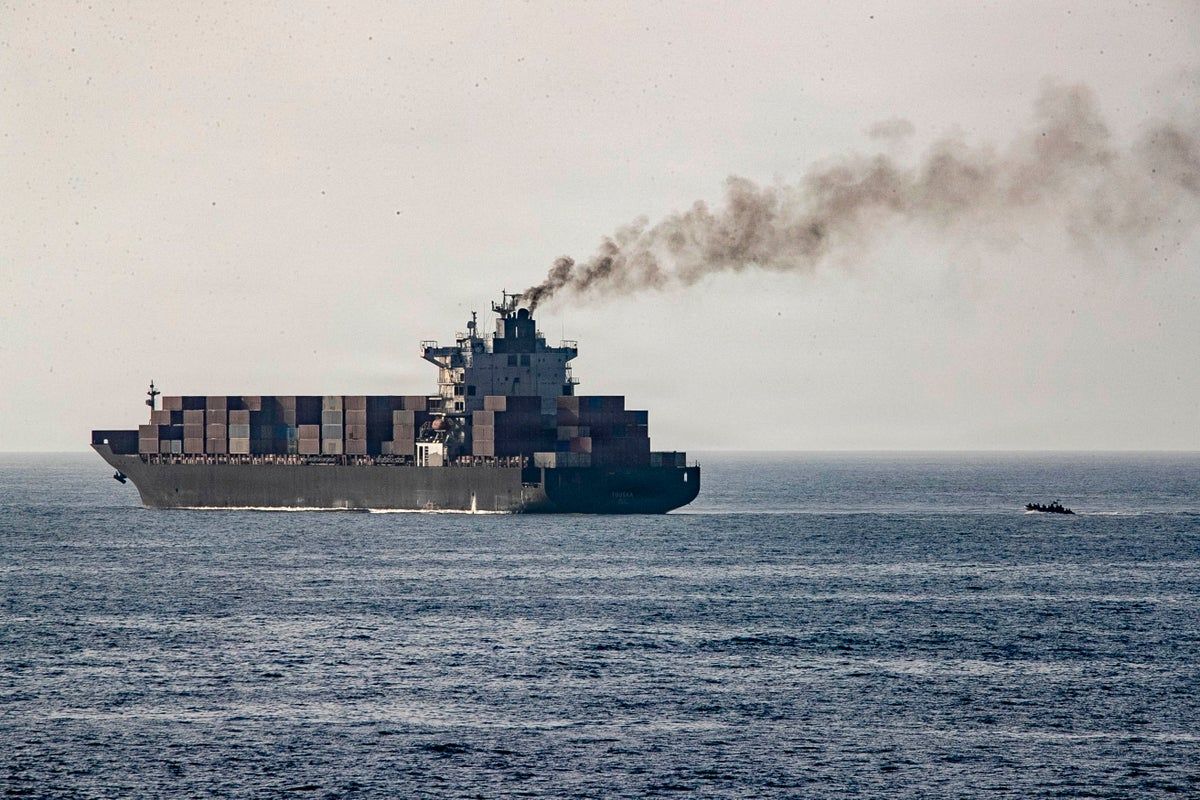
Perhaps the most immediate and tangible impact of Middle East tensions on UK households is through the price of oil. Iran is a significant oil producer, and any disruption to its output or the flow of oil through key shipping lanes in the region (like the Strait of Hormuz, through which roughly 20% of the world's oil passes daily) can send crude oil prices soaring. We've seen this play out before. In 2008, during a period of heightened geopolitical uncertainty, Brent crude oil prices briefly touched nearly $150 a barrel. While we're not at those levels now, even a sustained increase of $10-$20 per barrel can have a noticeable effect.
Consider this: a 10p increase in the price of a litre of petrol, driven by rising oil costs, can add an extra £5 to a typical 50-litre tank fill-up. For a family with two cars, that's an extra £40 a month just to get around. For businesses, especially those reliant on transportation like logistics companies or delivery services, these increased fuel costs are often passed on to consumers in the form of higher prices for goods and services. This contributes to inflation, eroding the purchasing power of your hard-earned money. Keep an eye on global oil benchmarks like Brent Crude. Websites like Bloomberg Commodities or Investing.com provide real-time data.
Inflationary Pressures and Your Household Budget
Beyond fuel, geopolitical instability can contribute to broader inflationary pressures. Supply chain disruptions, increased shipping costs due to perceived risks, and a general sense of economic uncertainty can all push up the prices of everyday goods. If the "limbo phase" escalates into more significant conflict or sanctions, it could impact global trade routes and the availability of various commodities, from food to electronics.
For UK households, this means your weekly grocery shop could become more expensive. The Office for National Statistics (ONS) regularly reports on inflation figures, and a sustained period of high inflation can significantly impact your disposable income. For example, if inflation runs at 5% for a year, a £1,000 saving pot effectively loses £50 in purchasing power. To mitigate this, consider reviewing your household budget regularly. Look for areas where you can cut back, such as subscriptions you no longer use or discretionary spending. Exploring supermarket own-brand alternatives can also offer significant savings.
Investment Volatility: Protecting Your Portfolio
Financial markets are inherently sensitive to geopolitical events. News of escalating tensions or potential conflict can trigger sell-offs in equity markets as investors seek safer assets. While the FTSE 100 might seem insulated, it's heavily influenced by global sentiment and the performance of multinational corporations with exposure to international markets. A period of sustained uncertainty could lead to increased volatility, impacting your pension and other investments.
During times of market turbulence, it's natural to feel anxious about your investments. However, knee-jerk reactions can often be detrimental. For long-term investors, a diversified portfolio is your best defence. Ensure your investments are spread across different asset classes (equities, bonds, property) and geographical regions. Consider consulting a financial advisor to review your portfolio's resilience to market shocks. They can help you understand your risk tolerance and ensure your investments align with your long-term goals. Historically, periods of geopolitical tension have often been followed by market recoveries, so maintaining a long-term perspective is crucial.
The Pound's Performance: Your Holiday and Imports
The strength of the British Pound is another factor that can be influenced by global events. In times of uncertainty, investors often flock to "safe haven" currencies like the US Dollar or the Swiss Franc, which can weaken the Pound. A weaker Pound makes imports more expensive, further contributing to inflation. It also makes your overseas holidays more costly, as your Pounds buy less foreign currency.
Conversely, if the situation de-escalates and global confidence improves, the Pound could strengthen. While you can't directly control currency fluctuations, being aware of them can help you plan. If you're planning an overseas trip, consider locking in exchange rates when the Pound is strong, or using a travel credit card with no foreign transaction fees. For those with significant international spending, monitoring currency movements can inform purchasing decisions.
Preparing for the Unknown: Practical Steps for UK Residents
While we can't predict the future, we can certainly prepare for potential economic headwinds. The "limbo phase" in the Middle East serves as a potent reminder of the interconnectedness of our global economy. Here are some practical steps to consider:
- Build an Emergency Fund: Aim for 3-6 months' worth of essential living expenses in an easily accessible savings account. This provides a crucial buffer against unexpected costs or income disruptions.
- Review Your Budget: Regularly scrutinise your spending. Identify areas where you can cut back or find more cost-effective alternatives.
- Diversify Investments: Ensure your pension and other investment portfolios are well-diversified across different asset classes and geographies to mitigate risk.
- Stay Informed, Not Panicked: Follow reputable news sources to understand geopolitical developments, but avoid making rash financial decisions based on sensational headlines.
- Consider Energy Efficiency: With potential energy price volatility, investing in home insulation, smart thermostats, or more energy-efficient appliances can offer long-term savings.
The world is a complex place, and events far from our shores can have a tangible impact on our wallets. By understanding these connections and taking proactive steps, you can build greater financial resilience and navigate the geopolitical tightrope with more confidence, ensuring your financial future remains as stable as possible, even amidst global uncertainties.
Comments
Replies to this report are stored in this browser only. For a public thread, you can add a third-party comments service on your host later.
No comments yet — be the first.