Fueling the Fire: How Rising Petrol Prices Could Ignite UK Inflation (and What You Can Do About It)
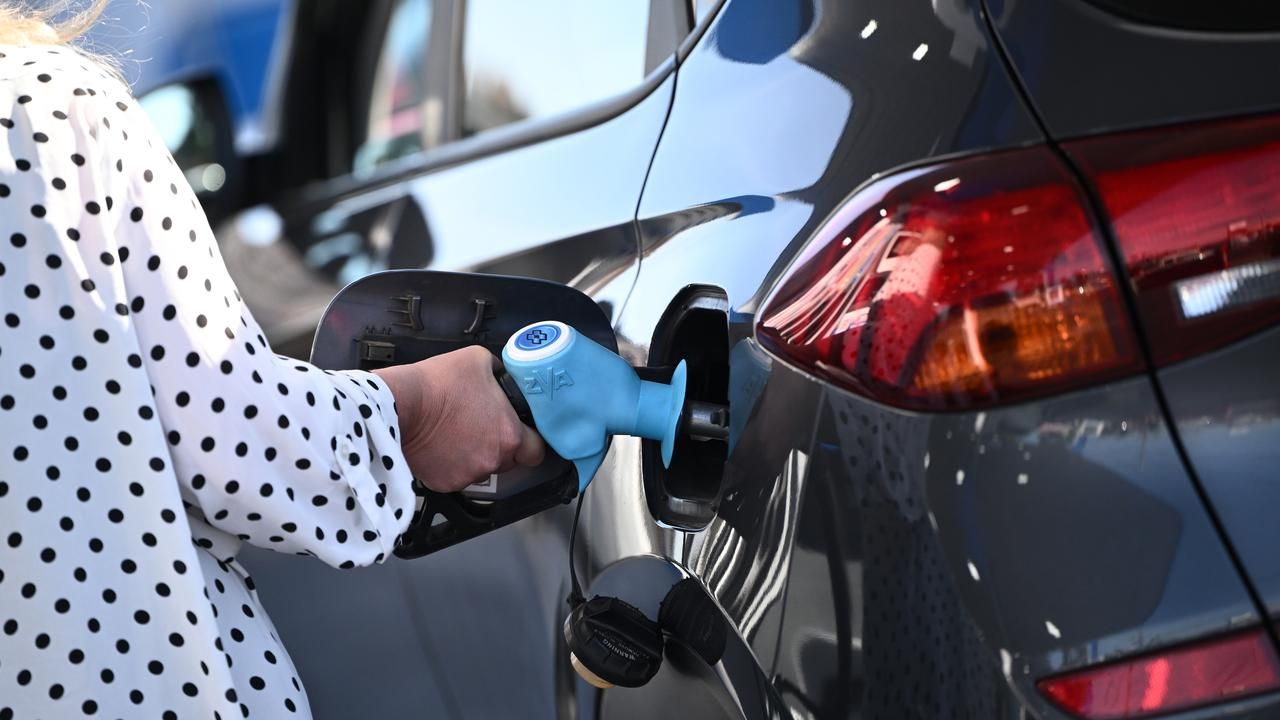
The air is thick with anticipation, and it’s not just the usual British drizzle. Across the UK, households and businesses are holding their breath, awaiting the latest inflation figures. Why the collective anxiety? Because these aren't just any numbers; they're the first official snapshot of our economy since geopolitical tensions in the Middle East sent global oil prices soaring. For many, the question isn't if these rising petrol costs will impact inflation, but how severely. And for homeowners, particularly those on variable rate mortgages or looking to remortgage, the stakes couldn't be higher.
At our ad agency, we're constantly tracking the pulse of the market, and right now, that pulse is beating a little faster. The ripple effect of a petrol price hike is far-reaching, touching everything from your weekly food shop to the cost of your next holiday. Let's dive into what these rising costs mean for your wallet and what practical steps you can take to navigate this potentially turbulent economic landscape.
The Domino Effect: From Pump to Plate
It’s easy to think of petrol prices as just affecting your commute, but the reality is far more complex. Fuel is the lifeblood of our supply chains. Every item you buy, from a pint of milk to a new sofa, has travelled on a lorry, a van, or even a ship, all powered by fuel. When the cost of that fuel goes up, so does the cost of transporting goods. This isn't a theoretical exercise; it's a direct pass-through to the consumer.
Consider a typical supermarket. A 10p per litre increase in diesel for a delivery truck might seem small, but multiplied across thousands of deliveries nationwide, it adds up significantly. Supermarkets, operating on tight margins, will inevitably pass these increased operational costs onto you, the shopper. We've already seen food inflation remain stubbornly high, and a further surge in fuel costs could exacerbate this. For instance, if a typical family's weekly food bill is £100, even a modest 2% increase due to transport costs adds £2 to that bill – seemingly small, but impactful over a year, especially for lower-income households.
Beyond groceries, think about services. Tradespeople, delivery drivers, and even your local takeaway all rely on fuel. Expect to see surcharges or increased prices for these services as they grapple with higher operating costs. A plumber driving across town for a call-out will factor in their fuel expenses, and you'll ultimately bear some of that cost.
Homeowners on High Alert: Mortgage Rates and the Bank of England
Perhaps no group is watching the inflation figures more closely than homeowners. The Bank of England's primary tool for combating inflation is adjusting the base interest rate. If inflation proves to be more persistent and higher than anticipated due to fuel costs, the Bank of England might feel compelled to raise interest rates further or hold them higher for longer.
For those on variable rate mortgages, this is a direct hit. A 0.25% increase in the base rate could add hundreds of pounds to annual mortgage payments. For example, on a £200,000 mortgage with a 25-year term, a 0.25% rate hike from 5% to 5.25% could increase your monthly payment by approximately £29, or £348 over a year. This might not sound catastrophic, but for households already stretched thin, it can be the difference between managing and struggling.
Even those on fixed-rate deals aren't immune. If your fixed term is ending in the next 12-18 months, you'll be looking to remortgage into a potentially higher interest rate environment. The current average 2-year fixed rate, while having come down from its peak, could easily climb again if inflation proves stubborn. This means budgeting for significantly higher monthly payments when your current deal expires. It's crucial to start planning for this well in advance, perhaps by speaking to a mortgage advisor now to understand your options.
Practical Steps for Navigating the Fuel Price Squeeze
While we can't control global oil prices or the Bank of England's decisions, we can take proactive steps to mitigate the impact on our personal finances. Here are some practical insights for our readers in Great Britain:
- Optimise Your Driving Habits: This is the most direct way to combat rising petrol costs.
- Shop Around for Fuel: Apps like PetrolPrices.com can help you find the cheapest fuel in your area. Even a few pence per litre can add up over a month.
- Drive More Efficiently: Gentle acceleration, anticipating traffic, and maintaining a steady speed can significantly improve fuel economy. Avoid harsh braking and rapid acceleration.
- Check Tyre Pressure: Under-inflated tyres increase drag and fuel consumption. Check them regularly.
- Remove Unnecessary Weight: Clear out your boot! Every extra kilo requires more fuel to move.
- Consider Carpooling or Public Transport: If feasible, sharing journeys or opting for buses/trains can drastically cut your fuel bill.
- Review Your Budget: Now is the time for a thorough budget review.
- Identify Non-Essentials: Where can you cut back? Subscriptions you don't use, impulse purchases, or eating out less frequently can free up cash.
- Meal Planning: Planning your meals and cooking at home can significantly reduce food waste and grocery bills, offsetting some of the inflation-driven price increases.
- Energy Efficiency at Home: With energy prices still elevated, ensuring your home is as energy-efficient as possible (insulation, smart thermostat, turning off lights) can save you money that can then be reallocated.
- Build an Emergency Fund: In times of economic uncertainty, a robust emergency fund is your best defence. Aim for 3-6 months of essential living expenses. This provides a buffer against unexpected costs or income shocks.
- Seek Financial Advice: If you're concerned about your mortgage or overall financial health, speak to an independent financial advisor. They can offer personalised strategies and help you explore options like remortgaging or debt consolidation.
The Road Ahead: Vigilance and Adaptability
The upcoming inflation figures will undoubtedly provide crucial clues about the true cost of recent geopolitical events on the UK economy. While the headlines might focus on the overall percentage, it's the granular impact on everyday expenses that truly matters to households.
As consumers, our power lies in our adaptability and our ability to make informed choices. By understanding the mechanisms at play and implementing practical strategies, we can better navigate the challenges posed by rising fuel prices and the potential inflationary pressures they bring. Stay vigilant, stay informed, and most importantly, take control of what you can. The road ahead may be bumpy, but with careful planning, we can steer through it.
Comments
Replies to this report are stored in this browser only. For a public thread, you can add a third-party comments service on your host later.
No comments yet — be the first.