
Cultivating Tomorrow: How Investing in Agricultural Innovation is Sowing Seeds of Prosperity Across Australia
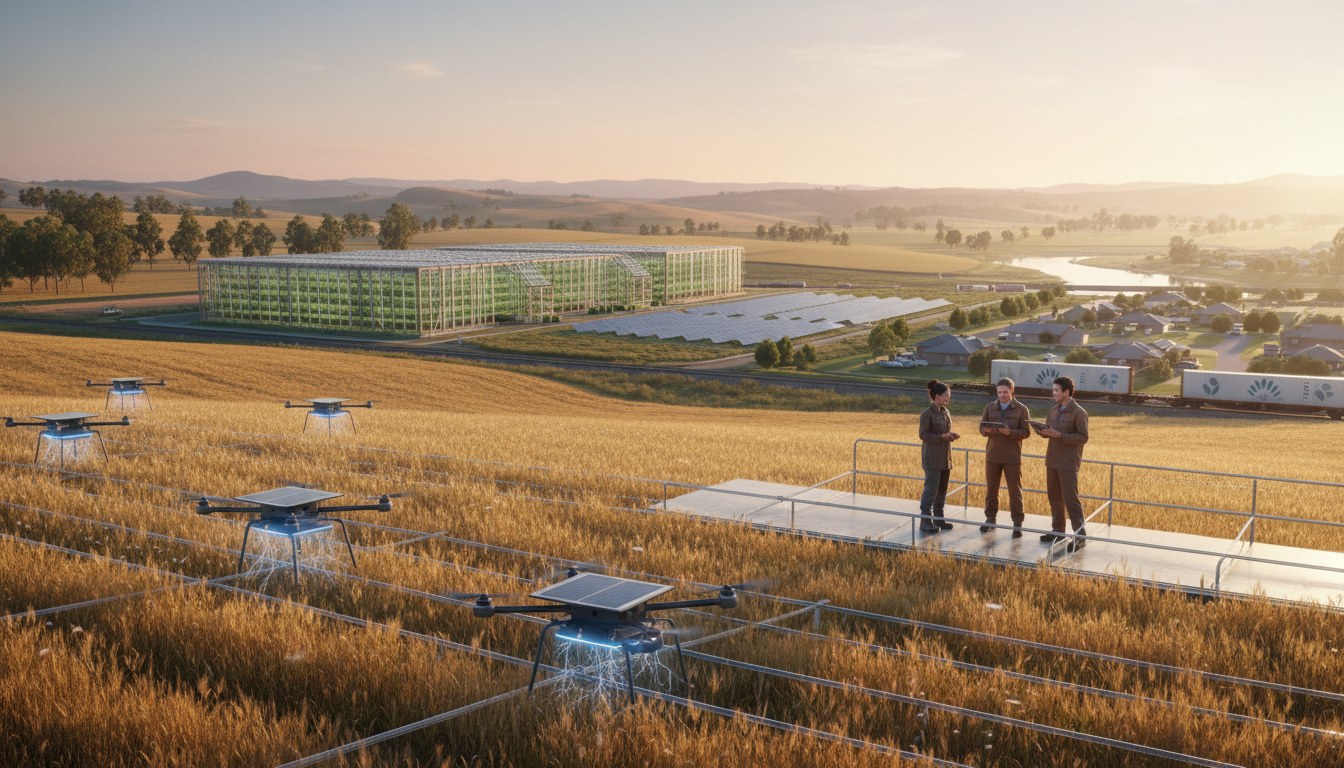
In the vast, sun-drenched landscapes of Australia, where the rhythm of life often beats to the tune of the seasons, a quiet revolution is taking root. It’s not a revolution of machines or chemicals, but one of minds – a profound investment in the very people who feed our nation and the world. We’re talking about the transformative power of agricultural innovation, driven by individuals who dare to look beyond the fence line and bring global insights back to their local paddocks. This isn't just about better yields; it's about building a more resilient, sustainable, and prosperous future for Australian agriculture, one inspired by the pioneering spirit of programs like the Nuffield Scholarship.
The Global Classroom: Bringing World-Class Ideas Home
Imagine a farmer from regional Queensland, accustomed to the unique challenges of their local climate and soil, suddenly immersed in the cutting-edge agricultural practices of the Netherlands, the innovative water management systems of Israel, or the advanced supply chain logistics of North America. This isn't a fantasy; it's the reality for Nuffield Scholars, and it represents a powerful model for how Australia can continue to lead in the global agricultural arena. These individuals aren't just observing; they're actively learning, questioning, and identifying solutions that can be adapted and implemented back home.
Consider the impact of a scholar like Robert Bell, whose journey might take him from the sheep stations of New South Wales to the intensive dairy farms of Europe. He's not just looking at new breeds or feed formulations; he's delving into the economics of scale, the intricacies of environmental regulation, and the psychology of consumer demand. He might discover a novel approach to carbon sequestration being trialled in the UK, or a highly efficient irrigation technique perfected in California. The beauty of this "global classroom" approach is that it bypasses years of local trial and error, bringing proven, or at least highly promising, concepts directly to Australian shores. This accelerated learning curve is invaluable in a sector facing rapid climate change, evolving market demands, and increasing pressure on resources.
Beyond the Paddock: The Ripple Effect of Knowledge Transfer
The insights gained by these pioneering individuals don't stay confined to their own farms. This is where the true power of investing in people becomes evident. A Nuffield Scholar, for instance, isn't just a recipient of knowledge; they become a conduit. They return to their communities, often sharing their findings through industry groups, field days, and even informal conversations over a cuppa. This creates a powerful ripple effect, disseminating best practices and innovative thinking far beyond the initial investment.
Let's look at some concrete examples. A scholar who investigates advanced drone technology for crop monitoring in Canada might return and champion its adoption among local growers, potentially saving thousands of dollars in input costs and improving yield accuracy by 10-15%. Another, after studying sustainable livestock management in New Zealand, could introduce rotational grazing techniques that enhance soil health and reduce erosion, leading to long-term productivity gains and environmental benefits for an entire region. The economic impact is tangible: improved efficiency, reduced waste, and increased profitability for individual farmers, which in turn strengthens the economic fabric of rural communities. This isn't just about individual success; it's about elevating the entire sector.
Practical Insights for Australian Agribusiness: What You Can Do
So, how can Australian agribusinesses and individuals tap into this spirit of innovation and knowledge transfer? It's not just for scholarship recipients. Here are some practical steps:
- Embrace Continuous Learning: Whether it's attending industry conferences, participating in online webinars, or joining local farming groups, actively seek out new information and perspectives. The agricultural landscape is constantly evolving, and staying informed is crucial.
- Look Beyond Your Borders: Even without a scholarship, research international best practices. Publications, academic journals, and even social media can offer glimpses into innovative approaches being used globally. Could a technique from a similar climate in South Africa be adapted for your farm in Western Australia?
- Foster Collaboration and Networking: Connect with other farmers, researchers, and industry experts. Share your challenges and successes, and be open to learning from others. Collaborative projects, even small ones, can lead to significant breakthroughs. For example, a group of five dairy farmers in Victoria pooling resources to trial a new feed supplement could yield valuable data for all involved.
- Invest in Technology and Data: From precision agriculture tools to advanced analytics, technology can provide invaluable insights into your operations. Consider how data from soil sensors, weather stations, or even satellite imagery can inform your decision-making and improve efficiency. A small investment in a weather station, for instance, could save thousands in irrigation costs over a season.
- Support and Mentor Emerging Talent: The next generation of agricultural leaders needs guidance and opportunities. Mentoring young farmers, offering internships, or supporting agricultural education programs helps ensure a pipeline of innovative thinkers for the future.
Sowing Seeds for a Sustainable and Prosperous Future
The story of agricultural innovation in Australia is one of resilience, adaptability, and an unwavering commitment to progress. By investing in people – by empowering individuals to seek out global insights and bring them back to their local communities – we are not just improving individual farms; we are strengthening the very foundations of our rural industries. This approach fosters a culture of continuous improvement, ensuring that Australian agriculture remains at the forefront of global food production, even in the face of unprecedented challenges.
The journey from a global insight to a tangible change in a paddock is a testament to the power of human ingenuity and collaboration. It’s about understanding that the best solutions often come from diverse perspectives and a willingness to learn from the world. As we look to the future, let us continue to cultivate this spirit of innovation, nurturing the minds that will feed our nation and sustain our planet for generations to come. The seeds of prosperity are being sown today, one informed decision and one inspired individual at a time.
Comments
Replies to this report are stored in this browser only. For a public thread, you can add a third-party comments service on your host later.
No comments yet — be the first.