
Cultivating Prosperity: Why Investing in People is Australia's Smartest Rural Strategy
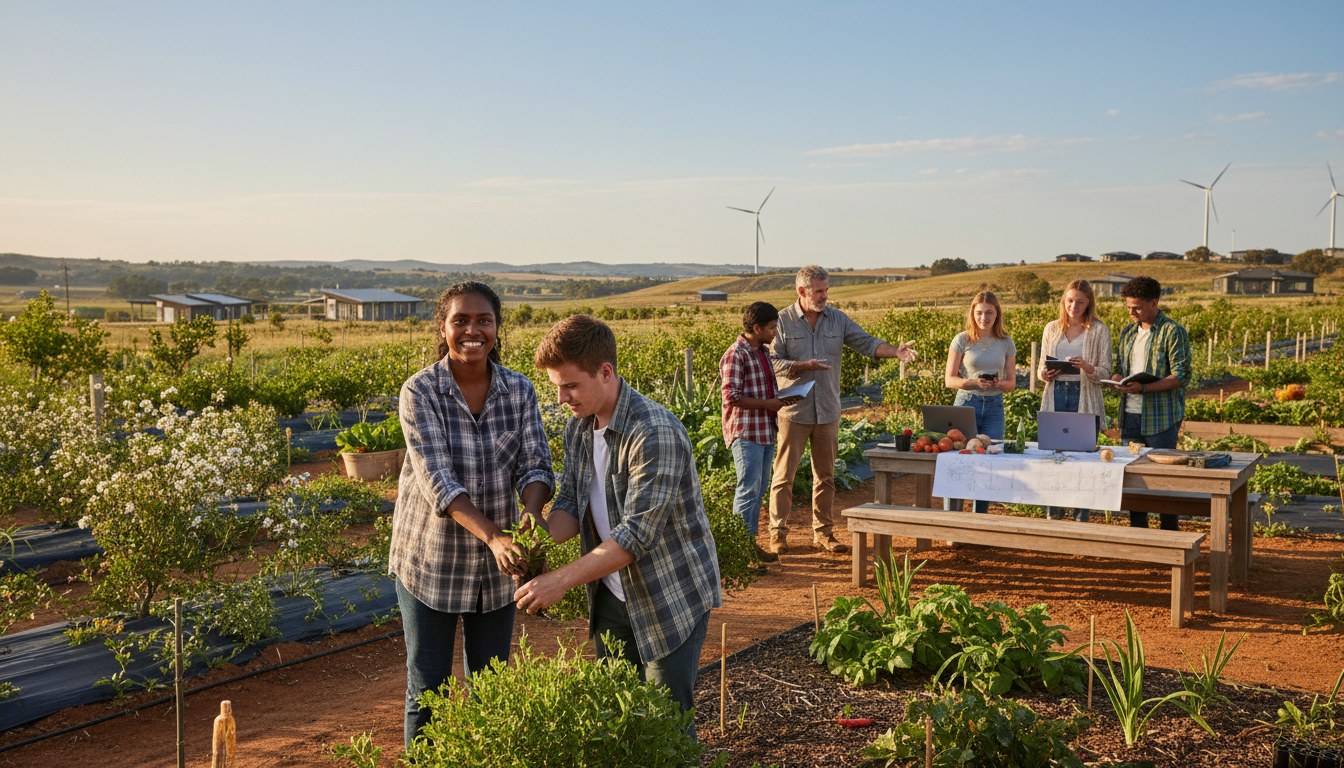
Imagine a vast, sun-drenched paddock. For generations, its value has been measured in livestock, crops, and the sheer expanse of land. But what if the most valuable asset in that paddock isn't the soil, the sheep, or the wheat, but the mind tending to it? In an increasingly complex and competitive global landscape, Australia's rural industries face a critical question: how do we not just survive, but thrive? The answer, as illuminated by the inspiring journey of Nuffield Scholar Robert Bell, lies not just in technological advancements or market fluctuations, but in a profound and strategic investment in our most precious resource: people.
The adage "invest in what you know" often guides financial decisions. For Australia's agricultural sector, what we know, and what we must continue to nurture, are the innovative, resilient, and adaptable individuals who form its backbone. This isn't just about training; it's about empowering, connecting, and fostering a culture of continuous learning and global perspective. It's about understanding that the future of Australian agriculture isn't just grown in the ground, but cultivated in the minds of its leaders.
The Global Classroom: Bringing the World to Our Farms
The Nuffield Scholarship program, as exemplified by Robert Bell's experience, is a powerful testament to the transformative impact of global exposure. Imagine a young Australian farmer, grappling with local challenges, suddenly immersed in the agricultural practices of Brazil, the technological innovations of the Netherlands, or the market dynamics of China. This isn't just a holiday; it's an intensive, immersive learning experience that broadens horizons and sparks innovation. Bell's journey, for instance, likely exposed him to diverse approaches to sustainability, supply chain management, or even new crop varieties that could be adapted to Australian conditions.
Consider the tangible benefits: a Nuffield Scholar returning to their farm might implement water-saving techniques observed in arid regions, leading to a 15-20% reduction in irrigation costs. They might introduce new livestock management practices that improve animal welfare and increase productivity by 10%. Or they could identify emerging market opportunities for Australian produce, opening up new export pathways worth millions. These aren't abstract ideas; they are concrete, measurable improvements born from a global perspective. The investment in a single scholarship, often around $35,000-$45,000, can yield returns many times over, not just for the individual, but for their community and the broader industry.
Beyond the Tractor: Cultivating Diverse Skillsets
Modern agriculture is far more than just planting and harvesting. It's a sophisticated blend of science, technology, business acumen, and environmental stewardship. Investing in people means equipping them with a diverse range of skills that extend far beyond traditional farming practices. This includes:
- Digital Literacy: From precision agriculture using drones and AI to managing online sales platforms, digital skills are non-negotiable. Programs that offer training in data analytics, IoT (Internet of Things) applications, and cybersecurity are crucial.
- Business Acumen: Understanding market trends, financial management, risk assessment, and supply chain logistics is vital for profitability. Workshops on business planning, negotiation, and marketing can empower farmers to become savvy entrepreneurs.
- Environmental Stewardship: With increasing pressure for sustainable practices, training in regenerative agriculture, carbon accounting, and biodiversity conservation is essential. This not only benefits the environment but can also open doors to new funding and market opportunities.
- Leadership and Communication: Strong leaders are needed to drive change, advocate for the industry, and mentor the next generation. Programs focusing on leadership development, public speaking, and community engagement are invaluable.
For example, a recent study by AgriFutures Australia highlighted a skills gap in digital agriculture, estimating that up to 70% of agricultural businesses could benefit from enhanced digital capabilities. Investing in targeted training programs, perhaps through TAFE or university partnerships, could bridge this gap, leading to increased efficiency and competitiveness across the sector.
The Ripple Effect: Strengthening Rural Communities
Investing in individuals doesn't just benefit their farms; it creates a powerful ripple effect that strengthens entire rural communities. When a farmer gains new knowledge or skills, they often share it with their neighbours, participate in local industry groups, and contribute to regional development initiatives. This fosters a culture of collaboration and innovation that can attract new talent and investment to regional areas.
Consider the impact of a Nuffield Scholar returning to their small town. They might establish a local peer-to-peer learning group, sharing insights on new technologies or sustainable practices. They could become a mentor for aspiring young farmers, inspiring them to pursue careers in agriculture. This human capital development is crucial for reversing the trend of rural depopulation and ensuring the long-term viability of regional Australia. Strong, skilled individuals are the bedrock of vibrant, resilient communities.
Policy and Partnership: A Collective Commitment
While individual initiatives are vital, a sustained and impactful investment in people requires a collective commitment from government, industry bodies, and educational institutions. This means:
- Increased Funding for Scholarships and Training: Expanding programs like Nuffield, and creating new ones that target specific skill gaps, is paramount. Government grants and industry contributions can make these opportunities accessible to a wider range of individuals.
- Flexible and Accessible Education: Developing online courses, modular training programs, and regional learning hubs can overcome geographical barriers and allow individuals to upskill without leaving their farms.
- Mentorship and Networking Programs: Connecting experienced farmers with new entrants, and fostering peer-to-peer learning networks, can accelerate knowledge transfer and build a stronger sense of community.
- Promoting Agriculture as a Career of Choice: Showcasing the diverse and rewarding career paths available in modern agriculture can attract a new generation of talent, from agronomists and data scientists to entrepreneurs and environmental managers.
The Australian government's recent commitment of $100 million to agricultural research and development is a positive step, but a significant portion of this investment should be directed towards human capital development. Imagine if 10% of that funding, or $10 million, was specifically allocated to scholarships, training programs, and mentorship initiatives over the next five years. This could empower thousands of individuals, leading to a substantial uplift in productivity, sustainability, and innovation across the sector.
The Future is Human-Powered
The story of Robert Bell and countless other Nuffield Scholars underscores a fundamental truth: the future prosperity of Australia's rural industries hinges on our willingness to invest in the people who drive them. It's about nurturing curiosity, fostering global connections, and equipping individuals with the skills to navigate an ever-changing world. By prioritising human capital development, we're not just planting seeds in the ground; we're cultivating a future where Australian agriculture is not only productive and profitable, but also innovative, sustainable, and globally competitive. Let's ensure that the most valuable asset in every Australian paddock is the brilliant mind tending to it.
Comments
Replies to this report are stored in this browser only. For a public thread, you can add a third-party comments service on your host later.
No comments yet — be the first.